
Table of contents
- 1. The Anatomy of Failure: Why “Culture Fit” Falls Apart
- 2. Why Culture Add Delivers Superior Results: The Strategic Edge
- 3. Global Case Studies: Companies Moving Beyond “Fit”
- 4. Operationalizing Culture Add: The Step-by-Step Transition
- 5. ValueMatrix AI: The Scientific Engine for Culture Add
- 6. Ethics and Transparency: The Science of Fair Hiring
- 7. Conclusion: Synthesis and the Future of Work
- FAQs
For decades, hiring decisions revolved around one comforting idea: culture fit. It felt safe. Logical, even. In the ongoing debate of culture add vs culture fit, many organizations believed that if you brought in people who thought alike, worked alike, and blended seamlessly with the existing team, the workplace stayed calm and predictable. Harmony became the unspoken goal, often framed as organizational culture alignment. If a candidate didn’t quite “click” during a casual lunch chat or seemed a little off from the team’s vibe, that was often reason enough to pass. Better to protect what already works, right?
But the world outside those office walls didn’t stay calm or predictable.
As businesses entered faster, more uncertain, and deeply global markets, that sense of safety began to backfire. This is exactly why culture fit fails in modern hiring environments. What once looked like a well-protected ecosystem slowly turned into something stagnant. Culture fit, in practice, often meant choosing familiarity over progress, limiting diversity of thought hiring and weakening the long-term strength of teams. It optimized for comfort, not growth, and overlooked the power of cognitive diversity teams to adapt and innovate.
This is where the idea of culture add steps in, reshaping culture-first recruitment strategies. And no, it’s not just a shinier label for diversity hiring. It’s a different way of thinking altogether. Hiring for culture add assumes that culture is never “done.” It’s not a fragile artifact to be preserved behind glass. It’s a living system, one that thrives through inclusive hiring culture, new perspectives, unfamiliar questions, and even a bit of friction. The real culture add benefits emerge when organizations stop asking, “Will this person blend in?” and start asking, “What will they bring that we don’t already have?”—the foundation of sustainable, future-ready organizational culture alignment.
1. The Anatomy of Failure: Why “Culture Fit” Falls Apart
To understand why culture add vs culture fit has become such a critical debate in modern hiring, we first need to closely examine the Culture Fit model. Although it was meant to create unity and organizational culture alignment, its real-world use often introduces several hidden issues that slowly weaken long-term performance and organizational growth. This breakdown explains why culture fit fails when businesses scale, diversify, and face rapid change.
A. The Beer Test and the Rise of Affinity Bias
One of the most common expressions of culture fit is the well-known Beer Test. Would I want to grab a drink with this person after work? At first glance, it feels like a harmless way to assess camaraderie. In practice, it becomes the main gateway for affinity bias, undermining inclusive hiring culture. Affinity bias is a natural human instinct to feel drawn toward people who resemble us, share similar backgrounds, attended the same schools, or enjoy similar hobbies.
When hiring managers rely on fit as a benchmark, they rarely evaluate shared values alone. More often, they respond to familiarity rather than diversity of thought hiring. This leads to a mirrored hiring cycle where candidates are subtly favored for matching the interviewer’s social background or communication style. Over time, this narrows the organization’s perspective, weakens cognitive diversity teams, and reduces its ability to connect with a diverse customer base—one of the early signals of why culture fit fails at scale.
Real-Life Example: The Tech Sector’s Bro Culture
Many early Silicon Valley startups leaned heavily on culture fit instead of hiring for culture add and ended up building teams drawn from the same educational and social circles. This lack of culture-first recruitment thinking created serious blind spots, products that struggled to appeal to global users, and work environments that became unhealthy over time. Companies such as Uber and early-stage Pinterest later faced public scrutiny when fit-driven hiring contributed to exclusionary cultures that discouraged dissent and sidelined underrepresented voices, ultimately damaging organizational culture alignment.
B. The Productivity Paradox of Homogeneity
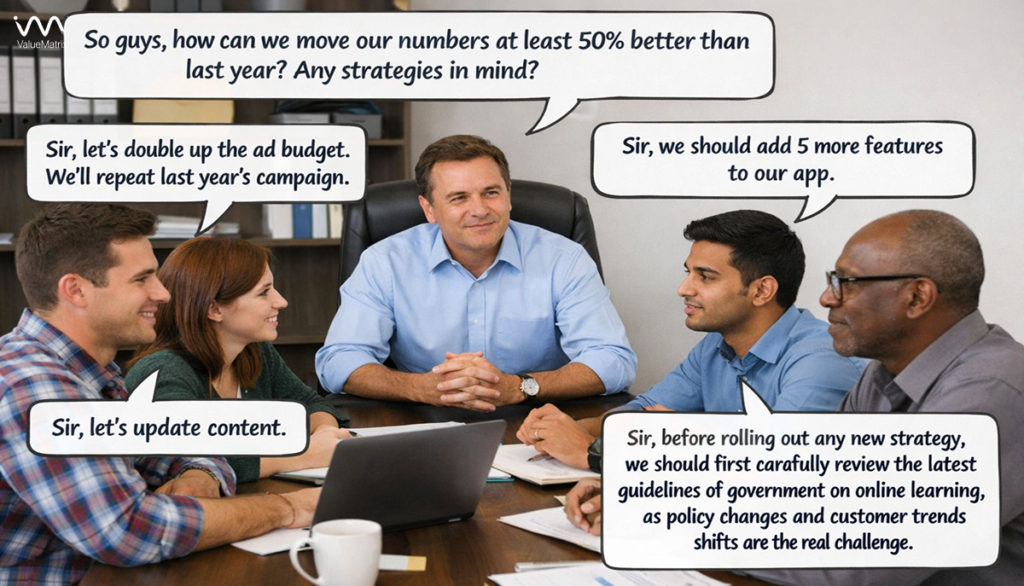
There is a common belief that teams made up of similar people are more productive because they argue less. This idea creates what can be called a productivity paradox, often mistaken for a benefit of culture fit. These teams may reach decisions quickly, but speed often comes at the cost of quality. When opposing views are missing, teams easily slip into groupthink, limiting the culture add benefits that emerge from debate and challenge.
When everyone shares the same way of thinking, problems are approached in identical ways. The organization starts to mirror itself, becoming very good at repeating past wins while struggling to deal with new challenges. A company built only on culture fit slowly stops learning, while cognitive diversity teams continue to evolve. Research published by Harvard Business Review shows that diverse teams tend to be more objective, examine information more carefully, and stay more aware of their own internal biases—key outcomes of an inclusive hiring culture.
C. The High Cost of Stagnation and Turnover
Ironically, hiring for fit often reduces retention over time, especially when compared to culture add vs culture fit hiring models. When an organization is built on sameness, it grows rigid. When market conditions shift, as seen during the COVID-19 pandemic, such cultures tend to break. Employees who do not mirror the dominant culture feel constant pressure to hide their real selves, exposing the long-term cost of ignoring culture add benefits. This mental strain leads to burnout and weak psychological safety.
Further, limited growth for outsiders in fit-based cultures results in brain drain. High-potential employees with different perspectives eventually realize their ideas will never reach the inner circle and leave for more inclusive competitors that prioritize culture-first recruitment and hiring for culture add. According to SHRM, turnover caused by poor culture fit can cost organizations 50 to 60 percent of an employee’s annual salary—making inclusive hiring culture not just ethical, but economically necessary.
2. Why Culture Add Delivers Superior Results: The Strategic Edge
If Culture Fit focuses on preservation, Culture Add focuses on expansion, clearly defining the difference in culture add vs culture fit. It is a deliberate approach to filling gaps in how an organization thinks and operates.
A. The Engine of Radical Innovation
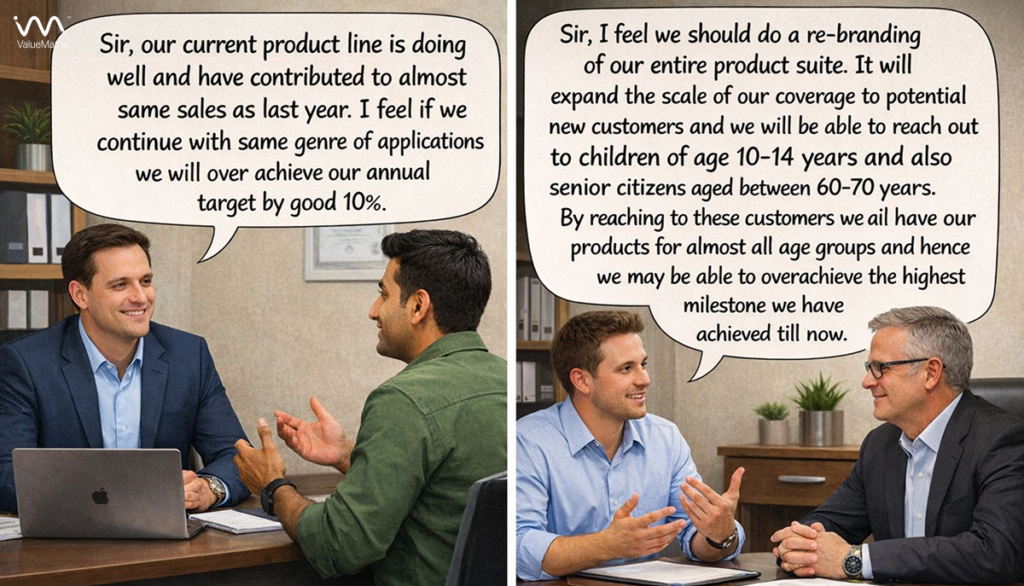
Innovation comes from productive friction, where different ideas meet and challenge each other. Hiring for culture add means intentionally bringing new ways of thinking into the organization.
The Collision Theory:
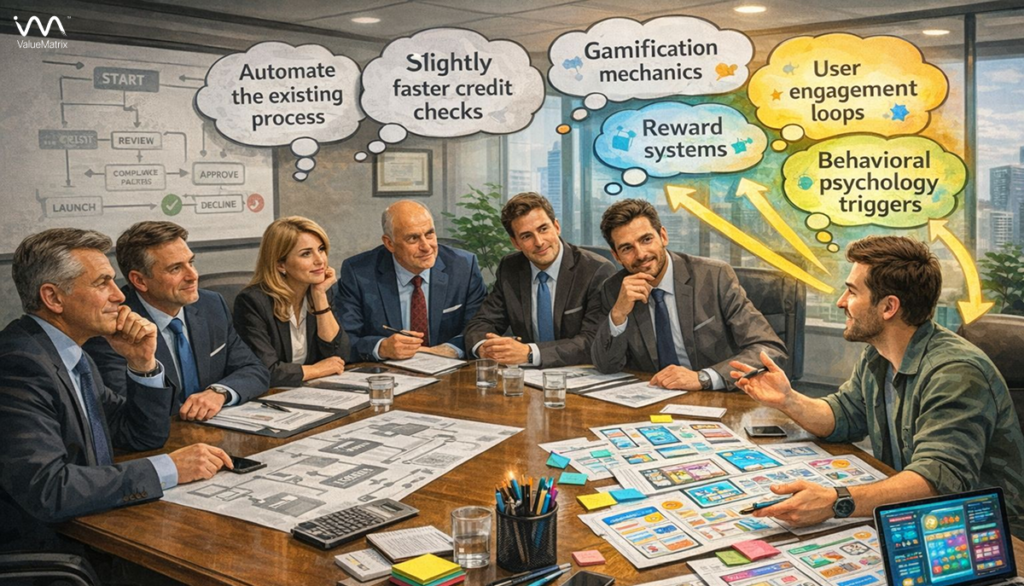
Imagine a fintech team made up of five traditional bankers. Their solution to a problem will most likely be a faster version of an existing banking process. Now add a former video game designer to the same team. The discussion shifts toward gamification, user engagement, and behavioral psychology, demonstrating diversity of thought hiring. The outcome is no longer incremental improvement but a disruptive product.
Real-Life Example: Patagonia’s Environmental Activism
Patagonia transformed its hiring approach by prioritizing Culture Add over traditional fit. Instead of focusing only on apparel industry experience, they evaluated candidates based on personal interests and volunteer work, such as environmental activism and outdoor endurance. By hiring people driven by the mission and strong in business, they introduced a level of purpose that a typical fit hire from competitors like Gap or H&M could not offer.
B. Enhanced Decision-Making and Risk Mitigation
Diverse teams are more likely to spot Black Swan risks before they emerge, highlighting why culture fit fails in complex environments. Because they do not share the same blind spots, they can pressure-test strategies from different angles. A Culture Add hire from another industry may notice a regulatory issue or consumer trend that the in-group has missed. Research shows that cognitive diversity teams solve problems up to three times faster than expert teams that think alike.
C. Authentic Inclusion as a Retention Magnet
Gen Z and Millennial talent are no longer focused on fitting in. They want to be recognized for what makes them different. A Culture Add environment strengthens an inclusive hiring culture. When employees know their background, whether neurodiversity, cultural roots, or a non-linear career path, is why they were hired, their loyalty to the organization rises sharply.
3. Global Case Studies: Companies Moving Beyond “Fit”
Several global companies have seen these issues and moved toward a Culture Add approach, reinforcing the shift from culture add vs culture fit and showing this is more than theory—it drives results.
I. Netflix: From “No Rules” to “Inclusion as Innovation”
Netflix is known for its Culture Memo, which says they want a pro sports team culture, not a family culture. For years, they focused on Talent Density through fit. As the company grew globally, it realized that fit often reflected Western perspectives and became a barrier, illustrating why culture fit fails at scale. They shifted to Inclusion and Curiosity as core values and started hiring for culture add, bringing in people who offered “uncomfortably exciting” viewpoints.
The Netflix Example in Action:
Their content strategy moved from relying on Hollywood assumptions to trusting local experts in South Korea or Brazil. This Culture Add approach supported diversity of thought hiring, as hiring people who understood nuances, the California leadership did not lead to worldwide hits like Squid Game and Money Heist.
II. HubSpot: Moving from HEART to Addition
HubSpot has long used the acronym HEART (Humble, Empathetic, Adaptable, Remarkable, Transparent) to describe its culture. At first, it acted as a fit filter. Over time, leadership realized that qualities like Humble or Empathetic can look very different across cultures, complicating organizational culture alignment. They shifted their hiring approach toward Culture Contribution, aligning with culture-first recruitment. Instead of asking “Does this person have HEART?” they began asking “How will this person expand our empathy or challenge our adaptability?” This shift delivered clear culture add benefits as HubSpot scaled to over 7,000 employees while keeping a 94% “Happy to Work Here” rating.
III. Slack: Prioritizing Empathy as a Technical “Add”
Slack, now part of Salesforce, shows how to hire for Culture Add by valuing skills the tech world often overlooks. While other Silicon Valley companies focused on rockstar coders who fit the introverted genius stereotype, Slack deliberately built cognitive diversity teams by hiring former teachers, theater majors, and journalists.
The Slack Example in Action:
By hiring for additions like storytelling and teaching empathy, Slack strengthened its inclusive hiring culture and built a platform that was far more user-friendly and intuitive than its competitors. They needed more than people who could write code; they needed those who could communicate the human side of technology. This range of perspectives helped make Slack the fastest-growing SaaS company in history at the time of its IPO.
IV. Zappos: The Evolution of “Weirdness”
Zappos pushed beyond traditional culture fit by treating “weirdness” as a contribution rather than a mismatch, reinforcing hiring for culture add as a driver of long-term organizational culture alignment.
4. Operationalizing Culture Add: The Step-by-Step Transition
Moving from fit to add means rethinking the traditional hiring process completely, a core shift in culture add vs culture fit. It shifts the focus from gut feeling to data-driven gap analysis, strengthening organizational culture alignment.
Step 1: Conduct a Culture Audit and Gap Analysis
Before adding to your culture, you need to understand what already exists, a foundation of culture-first recruitment. Identify the dominant personalities, backgrounds, and problem-solving styles in your current team.
• Are you a team of planners who lack executors?
• Are you a team of analytical thinkers who lack empathetic communicators?
Step 2: Redefine the Job Description for Contribution
Move the focus from requirements to impact to support hiring for culture add. Instead of listing years of experience with a tool, highlight the perspectives you are missing, reinforcing diversity of thought hiring.
• Old way: Looking for a Marketing Manager with five years of SaaS experience who fits our fast-paced culture.
• New way: We are looking for a Marketing Lead who brings a non-traditional perspective to SaaS. Candidates with experience in non-profits or creative arts are valued to help us reach a broader audience.
Step 3: Structured Behavioral Interviewing
Move beyond casual chats that often explain why culture fit fails. Use structured questions to uncover add indicators and build an inclusive hiring culture.
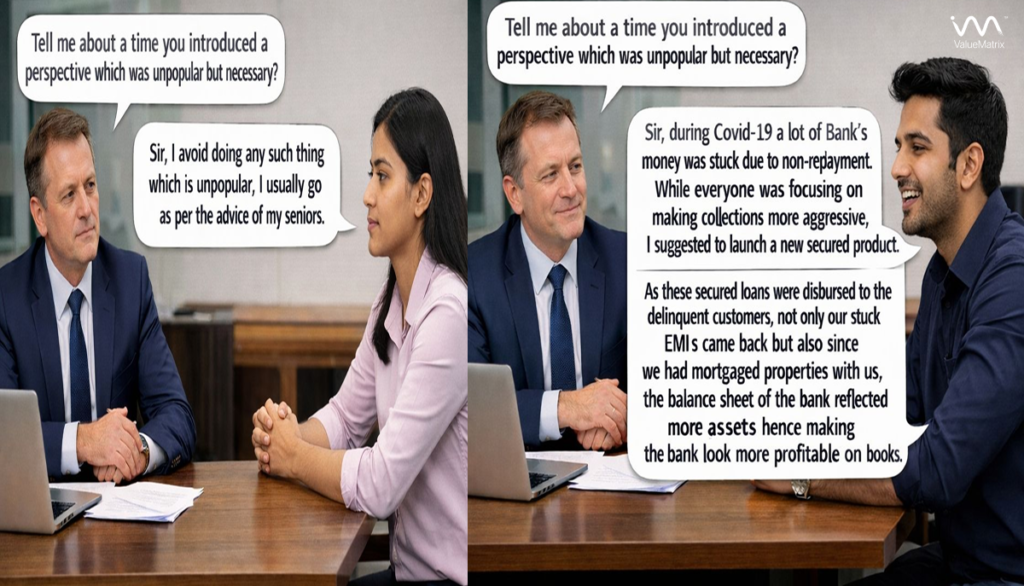
• Tell me about a time you introduced a perspective that was unpopular but necessary.
• What is a standard in our industry that you think is fundamentally wrong?
• Research Insight: 10 Interview Questions that Reveal Deep-seated Bias
Step 4: Measuring “Add” Over “Agreement”
During the post-interview debrief, if an interviewer says, “I just didn’t feel they were a fit,” they must be challenged to define why in terms of values. If the candidate shares the company’s core values but has a different personality, that difference strengthens cognitive diversity teams and becomes a reason to hire, not a reason to reject.
5. ValueMatrix AI: The Scientific Engine for Culture Add
The biggest challenge to Culture Add is human nature, a recurring issue in culture add vs culture fit hiring. Even with the best intentions, recruiters are prone to the mirror effect. This is where ValueMatrix AI becomes a key tool for modern talent leaders. It adds the objective perspective needed to make hiring for culture add a reality.
A. Beyond the Resume: Mapping Cognitive Diversity
ValueMatrix AI does more than scan keywords on a resume. It uses behavioral mapping to reveal a candidate’s core Value DNA, supporting cognitive diversity teams. It identifies positive deviants like people who share the company’s ethical values but bring very different ways of thinking.
B. The Missing Link Analytics
ValueMatrix offers a visual dashboard of your team’s current makeup, strengthening organizational culture alignment. It shows the gaps in your team’s collective thinking. When a new role opens, the AI does more than find a good candidate. It identifies the Missing Link—the person whose skills and mindset will add the most value to the existing group through diversity of thought hiring.
C. Bias-Free Scoring Systems
Using standardized scoring based on industrial-organizational psychology, ValueMatrix AI removes the “I just like them” factor that explains why culture fit fails. It provides a Contribution Score that measures how a candidate will improve the team’s creativity, adaptability, and resilience, reinforcing an inclusive hiring culture.
D. Audit-Ready Transparency
With increased focus on DEI and hiring fairness, ValueMatrix offers clear, data-backed documentation for every hire. It shows that candidates were chosen for their ability to add value and contribute to the mission, reflecting culture add benefits rather than simply because they were considered a cultural fit.
6. Ethics and Transparency: The Science of Fair Hiring
Any well-researched blog must cover the ethical use of these tools, a key aspect of culture-first recruitment. The move to Culture Add rests on two main pillars in the ValueMatrix framework, reinforcing hiring for culture add as both ethical and strategic.
Algorithmic Auditing for Fairness
AI is only as neutral as the data it uses. ValueMatrix runs regular algorithmic audits to detect and correct biased patterns before they affect decisions. This ensures the system does not learn from past human prejudices and stays focused on a candidate’s psychological add potential, supporting inclusive hiring culture.
Structured vs. Unstructured Evaluation
Unstructured conversations are where bias often appears. AI uses structured assessments, so every candidate is measured by the same job-relevant criteria. This shifts the decision from a manager’s gut feeling to a transparent Contribution Score. For leaders, this provides:
• Less subjective decision-making
• Lower legal risks
• Clearer documentation
• Proof that hiring is based on values and contribution potential, highlighting the real culture add benefits over traditional fit approaches
7. Conclusion: Synthesis and the Future of Work
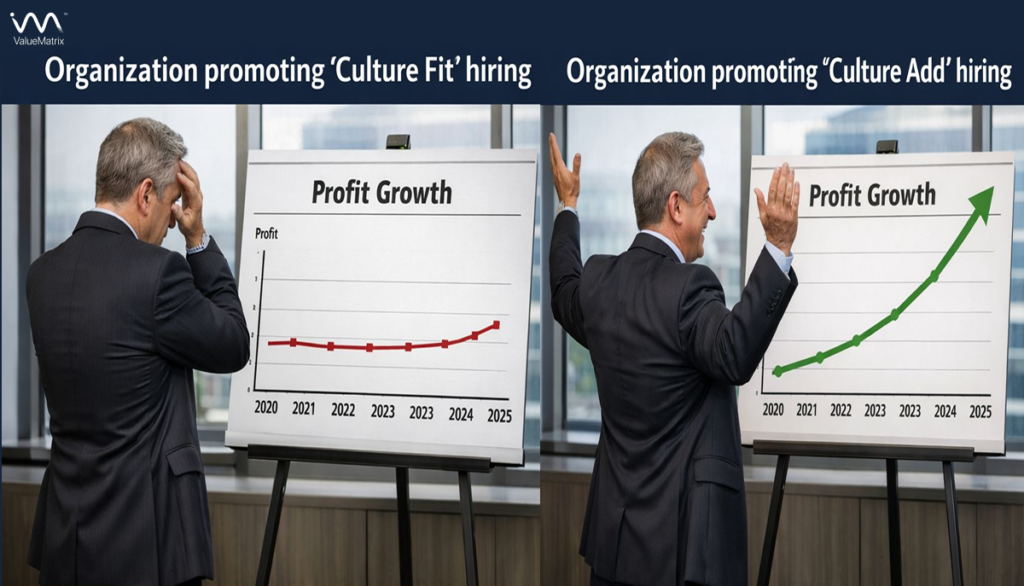
Choosing between Culture Fit and Culture Add is really a choice between safety and growth. Culture Fit is safe. It brings smooth meetings, fewer arguments, and a feeling of comfort. But it is like a slow-moving ship in a storm. Culture Add drives growth. It introduces productive friction, challenging discussions, and continuous evolution. It is the engine of a high-performance jet, powered by hiring for culture add principles and a culture-first mindset.
Throughout this exploration, one truth has become clear: the Culture Fit of yesterday is the stagnation of tomorrow. We began by looking at the anatomy of failure, where affinity bias and the Beer Test led to groupthink and costly turnover, demonstrating why culture fit fails. This played out in the bro cultures of Silicon Valley. Then we explored the strategic advantage of Culture Add, understanding that productive friction drives radical innovation, much like Patagonia’s use of activists to shake up the apparel industry.
In our global case studies, the pattern was obvious. Netflix leveraged local expertise to create global hits. HubSpot evolved its HEART code. Slack brought in liberal arts majors for their empathy. Zappos emphasized individuality. The most successful companies are the ones that focus on expansion rather than conformity, highlighting the long-term culture add benefits of diversity of thought hiring.
But knowing that Culture Add is better is only part of the battle. The real challenge is putting it into practice. Human nature naturally seeks fit, which is why tools like ValueMatrix AI are essential. They help us overcome cognitive bias, map cognitive diversity teams, and identify the missing link in our teams. This builds organizations that are not just diverse on paper but cognitively stronger in reality, reflecting a true inclusive hiring culture.
FAQs
Culture Fit refers to hiring people who align closely with an organization’s existing values, behaviors, and ways of working.
Culture Add focuses on hiring individuals who bring new perspectives, skills, and ways of thinking that expand the organization’s culture.
Because hiring for similarity can reinforce existing assumptions and reduce healthy debate, leading to stagnation.
Culture Add introduces cognitive diversity, creating productive friction that challenges norms and sparks new ideas.
No. While related, Culture Add is about value and thinking contribution, not just demographic representation.
Yes. Teams with diverse viewpoints are better at identifying risks and evaluating complex decisions.
Without clear values, it can lead to misalignment or conflict rather than constructive contribution.
Through structured interviews, value-based assessments, and evaluating how candidates fill cognitive or skill gaps.