
Key Takeaways
- AI-powered tools are streamlining recruitment, personalizing learning, and identifying high-potential employees faster than traditional HR processes.
- Organizations are moving away from degree-based hiring toward skills-based models, enabling broader talent discovery and stronger internal mobility.
- Annual reviews are being replaced by agile, outcome-focused systems that provide regular feedback and treat performance as an ongoing process.
- Leading organizations are expanding support to include mental health, financial wellness, and burnout prevention as core drivers of retention and productivity.
- As AI becomes embedded in HR decisions, ensuring fairness, transparency, and accountability in hiring and promotions is a critical responsibility.
- Organizations that invest in reskilling, talent foresight, and inclusive hybrid cultures will be best positioned to attract and retain top talent in a rapidly changing landscape.
Introduction
Rapid technological shifts, evolving workforce expectations, and the growing influence of artificial intelligence are reshaping how organizations manage talent. Traditional HR practices are no longer sufficient to attract, develop, and retain high-performing teams.
Talent management is becoming more strategic, data-driven, and employee-centric. Organizations are moving toward skills-based hiring, AI-powered recruitment, and more agile performance systems that reward outcomes rather than rigid processes.
This article explores the key trends, tools, and best practices shaping talent management and explains how organizations can build a future-ready workforce strategy.
What are the top talent management trends?
The top talent management trends for 2026 are AI-enabled talent ecosystems, skills-based hiring over degree requirements, outcome-focused continuous performance management, holistic employee well-being programs, and ethical AI governance. Together these shifts reflect a fundamental move from administrative HR to strategic, data-driven people intelligence.
AI-Enabled Talent Ecosystems
Artificial intelligence is transforming recruitment, learning, and performance management. Organizations are increasingly adopting AI-powered tools to screen candidates, personalize training programs, and identify high-potential employees faster than traditional processes allow.
These AI-enabled systems also help HR teams analyze workforce data and identify talent gaps more efficiently.
Skills-based Hiring and Internal Mobility
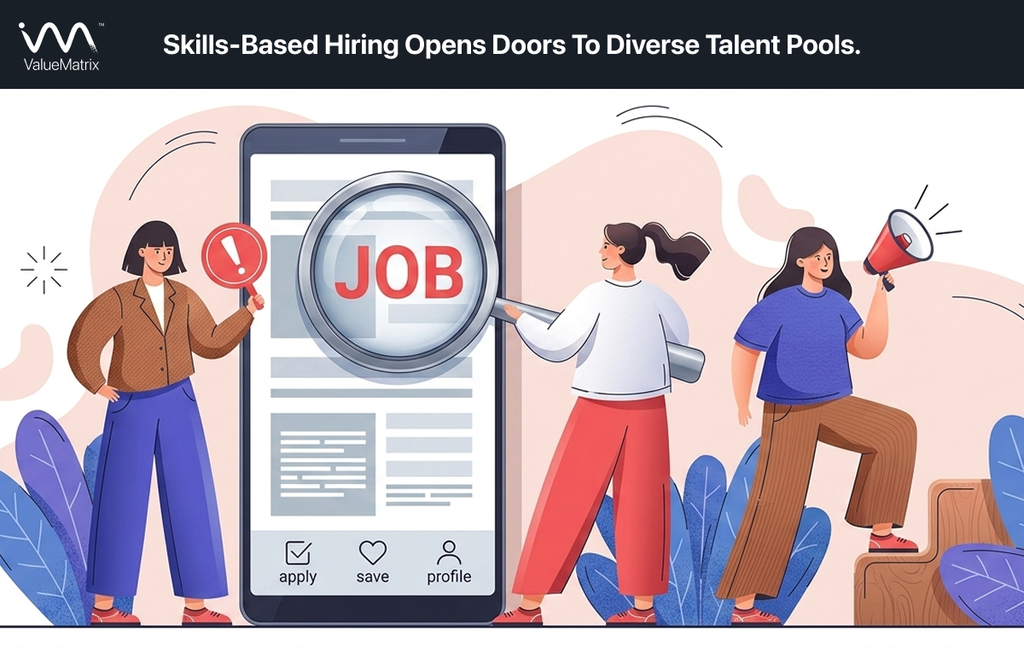
Companies are shifting away from rigid job descriptions and degree-based hiring models. Instead, they are prioritizing skills and capabilities.
Skills-based hiring enables organizations to discover talent from broader pools, while internal mobility programs help employees move into new roles based on evolving skill needs.
This approach also supports reskilling and reduces dependency on external hiring.
Outcome-based Performance Management
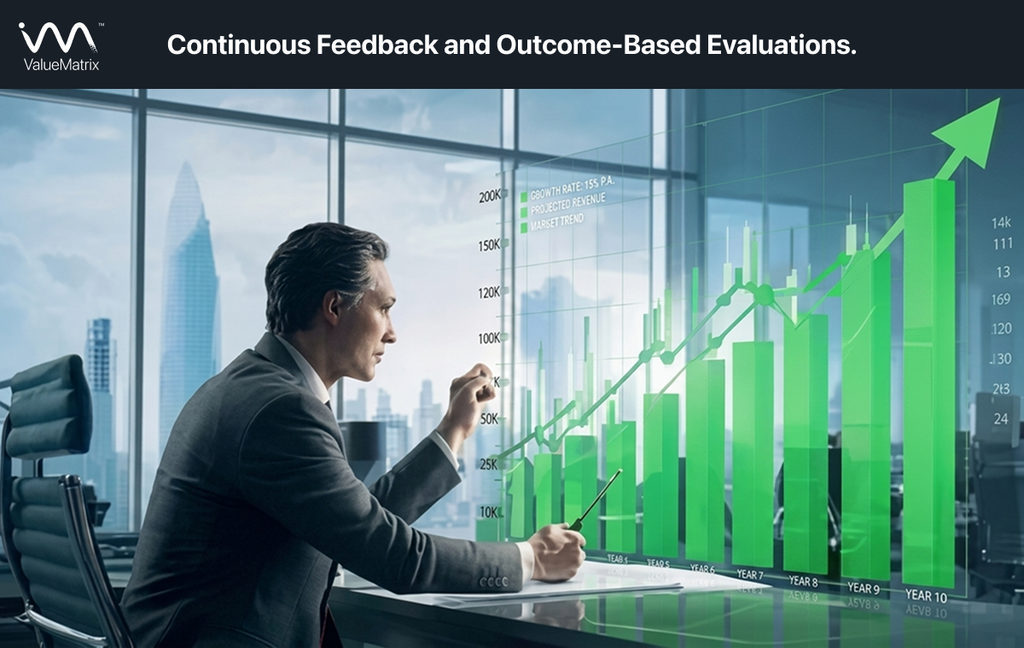
Annual performance reviews are gradually being replaced with more agile and continuous evaluation systems.
Modern organizations are focusing on measurable outcomes, transparency, and adaptability. Employees receive regular feedback, making performance management a continuous improvement process rather than a yearly evaluation.
Holistic Employee Wellbeing
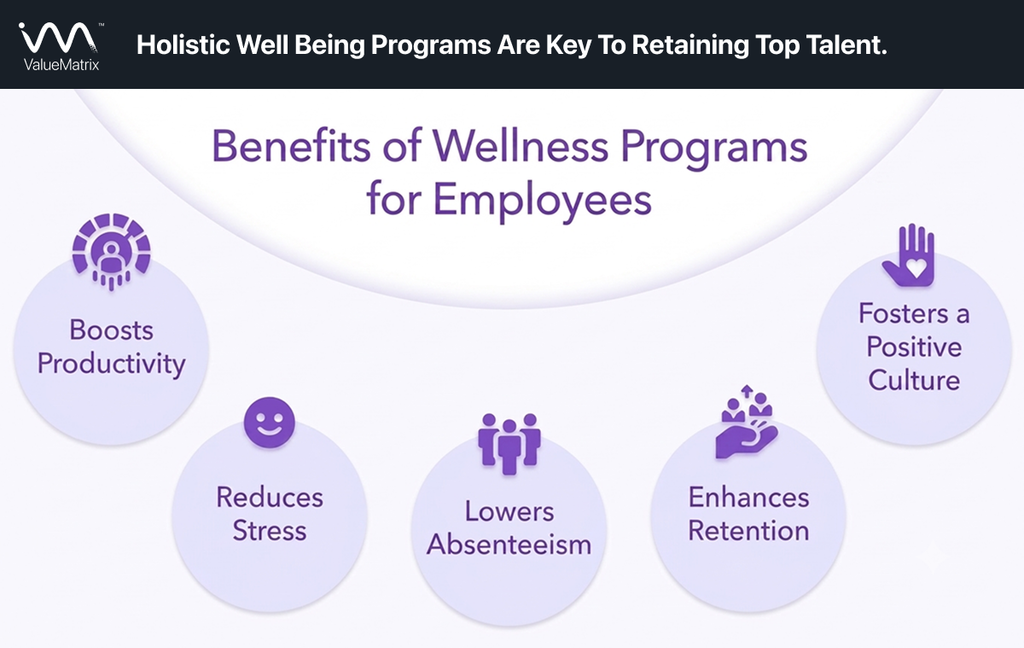
Employee well-being is increasingly being recognized as a key driver of productivity and retention.
Forward-thinking organizations are expanding benefits to include mental health support, financial well-being programs, and burnout prevention initiatives.
Ethical AI and Data Transparency
As AI becomes deeply embedded in HR systems, organizations are also focusing on ethical governance.
Ensuring fairness, transparency, and accountability in AI-driven hiring or promotion decisions is becoming an important part of modern talent management strategies.
What are the key tools supporting talent management?
The key talent management tools are AI-powered recruitment platforms, skills assessment and mapping software, internal talent marketplaces, and predictive HR analytics. The most effective organizations are moving away from point solutions toward integrated talent intelligence platforms that connect hiring, development, mobility, and retention data in one system.
AI-powered Recruitment Platforms
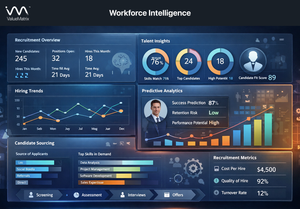
Modern recruitment platforms use predictive algorithms to analyze candidate data, rank applicants, and reduce time to hire. These tools also help organizations manage large applicant pools more effectively.
Skills Assessment and Skill Mapping Platforms
These tools help organizations identify employee skill sets and highlight capability gaps within teams.
By mapping existing skills against future business requirements, companies can make better hiring and training decisions.
Internal Talent Marketplaces
Internal talent marketplaces are digital platforms that connect employees with new projects, temporary roles, or career opportunities within the organization.
This technology supports internal mobility and improves employee engagement.
Predictive HR Analytics
Predictive analytics tools allow HR leaders to forecast workforce needs, identify turnover risks, and make proactive talent decisions based on data rather than assumptions.
What are the Best Practices for Building a Future-ready Talent Strategy?
A future-ready talent strategy rests on five practices: treating talent management as a mutual employer-employee partnership, prioritising human skills alongside technical capabilities, implementing talent foresight to anticipate skill needs before gaps appear, investing in continuous reskilling, and building hybrid work cultures where inclusion is actively managed rather than assumed.
Redefine the Employer-Employee Relationship
Organizations are increasingly viewing talent management as a partnership. Employees expect growth opportunities, flexibility, and meaningful work while employers seek productivity and innovation.
Clear expectations and mutual value creation are becoming central to modern workforce relationships.
Prioritize Human Skills
While technical capabilities remain important, human skills such as empathy, curiosity, collaboration, and adaptability are becoming increasingly important.
Organizations that invest in developing these capabilities can build more resilient teams.
Implement Talent Foresight
Talent foresight involves using workforce data and industry insights to predict future skill demands.
Instead of reacting to skill shortages, organizations can proactively prepare their workforce for upcoming challenges.
Invest in Reskilling and Continuous Learning
Continuous learning programs allow employees to adapt to changing technologies and job roles.
Personalized learning paths supported by digital learning platforms can significantly improve employee retention and engagement.
Foster a Strong Hybrid Work Culture
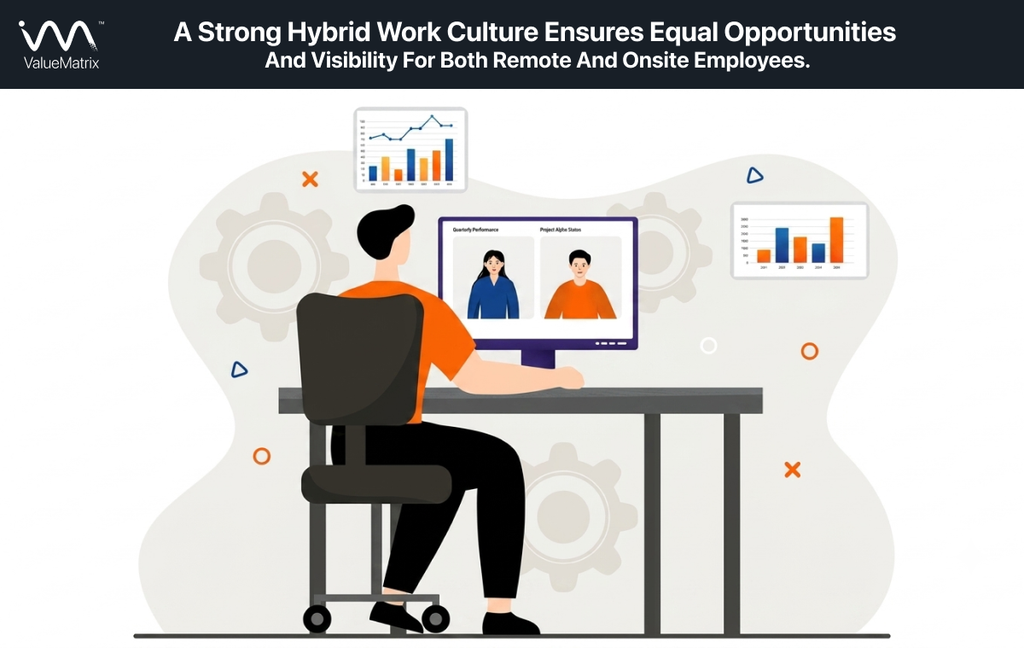
As hybrid work becomes the norm, organizations must ensure that remote and onsite employees have equal access to growth opportunities, communication channels, and performance visibility.
Building a fair and inclusive hybrid culture will remain critical for long-term talent success.
Conclusion
Talent management is evolving into a strategic function that goes far beyond recruitment and performance evaluation.
Organizations that successfully combine AI-driven tools, skills-focused hiring, employee well-being initiatives, and forward-looking workforce planning will be better positioned to attract and retain top talent.
By adopting the right trends, technologies, and best practices, companies can build agile teams that can adapt to an increasingly dynamic business environment.
FAQs
1. What is talent management?
Talent management is a strategic, data-driven function that goes beyond recruitment and performance evaluation. It combines AI-powered tools, skills-based hiring, employee well-being initiatives, and workforce planning to help organizations attract, develop, and retain high-performing teams in a rapidly evolving business environment.
2. How is AI transforming talent management?
AI is revolutionizing talent management by automating candidate screening, personalizing employee training, and identifying high-potential employees faster than traditional methods. AI-powered systems also help HR teams analyze workforce data, detect talent gaps, and make more informed decisions across recruitment, learning, and performance management processes.
3. What is skills-based hiring?
Skills-based hiring is an approach where organizations prioritize a candidate’s actual capabilities over formal degrees or rigid job descriptions. It allows companies to discover talent from broader, more diverse pools, reduce dependency on external hiring, and support internal mobility by matching employees to roles based on evolving skill requirements.
4. How is performance management evolving?
Performance management is shifting from annual reviews to continuous, outcome-based evaluation systems. Modern organizations provide employees with regular feedback and focus on measurable results, making performance improvement an ongoing process. This agile approach promotes transparency, adaptability, and stronger alignment between individual contributions and organizational goals.
5. Why is employee wellbeing important in talent management?
Employee wellbeing is a key driver of productivity, engagement, and retention. Forward-thinking organizations are expanding benefits beyond traditional offerings to include mental health support, financial wellness programs, and burnout prevention initiatives. Prioritizing holistic well-being helps create healthier, more motivated teams that consistently perform at their best.
6. What are internal talent marketplaces?
Internal talent marketplaces are digital platforms that connect employees with new projects, temporary assignments, or career opportunities within their organization. They support internal mobility, reduce the need for external hiring, improve employee engagement, and help organizations make better use of the skills and potential already existing within their workforce.
7. What is predictive HR analytics?
Predictive HR analytics involves using data-driven tools to forecast workforce needs, identify turnover risks, and make proactive talent decisions. Rather than reacting to problems after they arise, HR leaders can use these insights to plan ahead, allocate resources more effectively, and build a more stable and future-ready workforce.
8. What are human skills and why do they matter?
Human skills include empathy, curiosity, collaboration, and adaptability. These qualities complement technical expertise. As automation handles more routine tasks, these interpersonal and cognitive capabilities are becoming increasingly valuable. Organizations that invest in developing human skills can build more resilient, innovative, and cohesive teams prepared for complex challenges.
9. What is talent foresight?
Talent foresight is the practice of using workforce data and industry insights to anticipate future skill demands before shortages occur. Instead of reacting to gaps reactively, organizations can proactively reskill employees, adjust hiring strategies, and align their workforce planning with upcoming business needs and market trends.
10. How can organizations build a successful hybrid work culture? Building a successful hybrid work culture requires ensuring that both remote and onsite employees have equal access to growth opportunities, communication channels, and performance visibility. Organizations must create inclusive, transparent environments where all employees feel valued and supported, regardless of their location, to sustain long-term engagement and talent retention.