
Key Takeaways
- Talent analytics can reduce time-to-hire and attrition by 25% and 30%‚ respectively (Gartner‚ 2025)․
- It covers descriptive‚ diagnostic‚ predictive‚ and prescriptive analytics․
- Talent acquisition analytics (pre-hire) and talent management analytics (post-hire) are two distinct but interrelated concepts․
- Leading talent analytics platforms in 2026 include Eightfold‚ Visier‚ and ValueMatrix․
- Effective implementation starts with a data quality audit, SMART goals, and a single-team pilot
Finding the right talent at the right time is important․ But it can be tempting to go with your gut feel or take hours to interview dozens of candidates․ Talent analytics enables hiring managers to make faster‚ smarter‚ data-driven talent decisions․ If you could predict which candidates will increase productivity‚ reduce turnover and drive business goals‚ wouldn’t recruiting be more science than guesswork?
Talent analytics is the systematic use of data‚ statistical analysis and modeling to bring understanding to present and future employees‚ allowing the human resource professional to obtain a greater understanding and make better hiring decisions․ According to a 2025 Gartner report, companies that use talent analytics experience a 25 percent faster time-to-hire and a 30 percent lower attrition rate․
This ultimate guide to talent analytics explains the full spectrum of basic-to-advanced talent analytics applications and how to build a data-driven hiring machine․
Whether you lead HR for a startup or a multinational organization, when you master talent analytics, you will thrive in the AI era․
What Is Talent Analytics and How Does It Work?
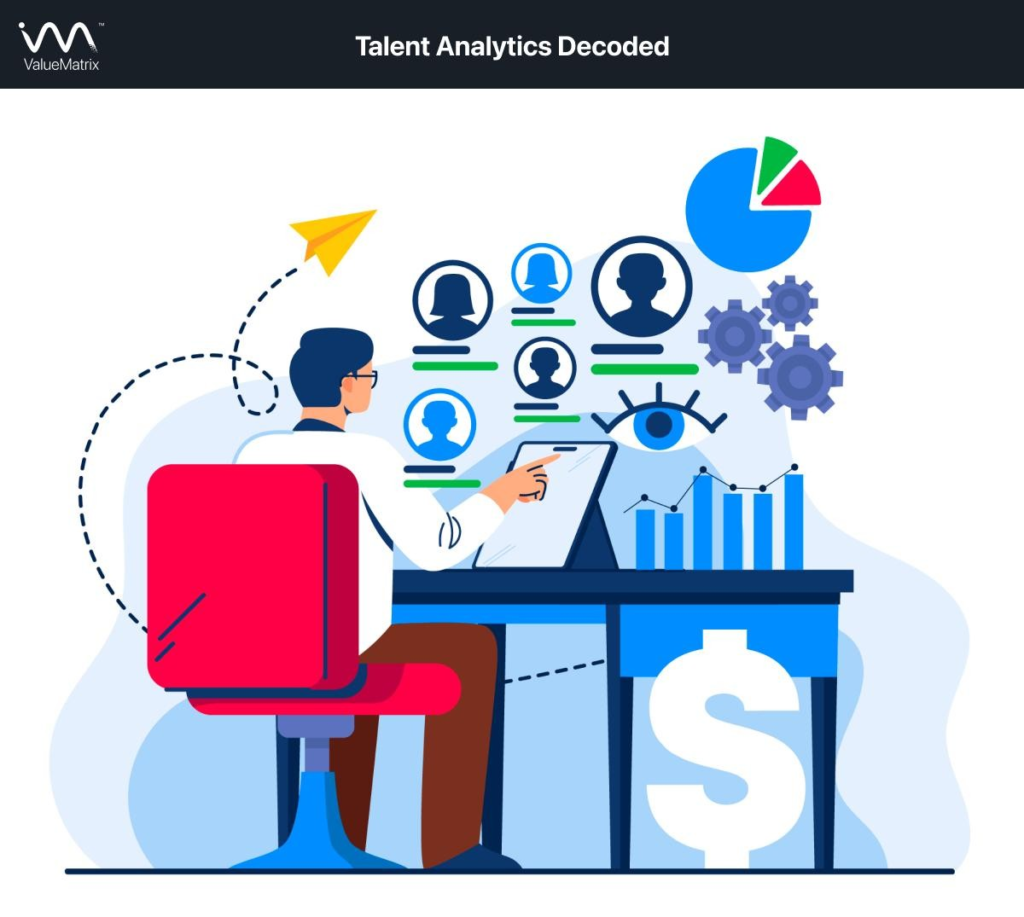
Talent analytics uses data‚ predictive modeling and psychometric testing to improve hiring decisions‚ reduce attrition and build high-performing teams․ Data empowered organizations achieved a 25% faster time to hire and a 30% lower attrition rate (Gartner‚ 2025)․
Predictive analytics for talent management is a crystal ball for HR‚ predicting outcomes based on resumes‚ performance reviews‚ and engagement surveys․ Talent management analytics can be used at every point in the employee lifecycle‚ from hiring success to promotion readiness․
Key components include:
- Descriptive analytics: What happened? (e․g․ “Our sales hires last quarter had 15% higher retention․”)
- Diagnostic analytics: Why did it happen? (e․g․ “They shared similar LinkedIn skill profiles․”)
- Predictive analytics: What might happen? (e․g․‚ “Candidates with Python skills are 40% more likely to excel․”)
- Prescriptive analytics: What should we do? (e․g․‚ “Prioritize remote workers from technology hubs․”)
In practice, talent analytics platforms can combine with ATS (applicant tracking systems)‚ CRMs and social data to provide a 360-degree view of talent pipelines․
Why Does Talent Analytics Matter for Data-Driven Hiring in 2026?
Blind hiring costs 2-3x of an employee’s salary in lost productivity according to the Society for Human Resource Management (SHRM) organization․ However‚ talent analytics can offset these costs․ For instance‚ Google’s Project Oxygen identified the eight most effective management behaviors to develop a promotion model by analyzing 10‚000 observations of management behaviors across Google․ Likewise‚ Unilever reduced its hiring time by 75% by using talent analytics to screen candidates via gamified videos․
Benefits include:
- Less bias: data stresses skills, not names or schools․
- Higher quality hires: predictive models match candidates and roles with 85% accuracy․
- Cost savings: Talent management analytics can help organizations optimize promotions, reducing external hires by 20%․
- Scalability: 10x more applicants, no burnout․
What Are the Core Elements of a Talent Analytics Strategy?
A strong talent analytics strategy rests on these four pillars․
1․ Data Sources
Feed your engine with various inputs:
- Internal: Performance ratings, absenteeism, and 360-feedback․
- External: Job boards, LinkedIn, and salary benchmarks․
- Behavioral: Psychometric tests, video interviews․
Talent analytics tools, like Visier, aggregate this data seamlessly․
2․ Metrics That Matter
Focus on actionable KPIs:
| Metric | Definition | Why It Counts |
| Quality of Hire | Post-hire performance rating (e.g., 90-day review score) | Measures true ROI |
| Time-to-Productivity | Days until full ramp-up | Predicts revenue impact |
| Retention Risk Score | Probability of leaving in 12 months | Flags flight risks early |
| Diversity Index | Representation across demographics | Ensures inclusive pipelines |
Talent management analytics tracks these trends over time․
3․ Technology Stack
Modern talent analytics platforms are powered by artificial intelligence (AI)․
4․ People and Processes
Data is useless without having the right people․ Pair HR with data scientists for hybrid teams.
Talent Acquisition Analytics vs Talent Management Analytics
In the area of talent acquisition analytics‚ metrics include sourcing channel usage‚ candidate pipeline quality‚ screening information‚ time to fill and interview process effectiveness․ In the area of talent management analytics‚ metrics include performance‚ engagement scores and turnover risk and promotion readiness․ While the two fields are separate‚ they overlap because of the role that tools such as ValueMatrix‚ which measure cultural fit and team interactions at the time of acquisition‚ have on talent management analytics outcomes․
Which Are the Best Talent Analytics Tools and Platforms in 2026?
Finding the right talent analytics tools and talent analytics platform is essential․ Here are the 2026 talent analytics leaders based on G2 and Forrester reviews․
Best Talent Analytics Platforms
- Eightfold AI: A skills-based, AI-native talent analytics platform that matches internal talent to job openings 5x faster․ Pricing: Enterprise, starts at $50K/year․
- Visier: Talent management analytics, with drag-and-drop dashboards to predict employee turnover․ Integrates with Workday/SAP․
- Gloat: Skills ontology powers internal mobility, reducing external hiring by 30% for its clients, including Coca-Cola․
Essential Talent Analytics Tools
- Tableau/Power BI: Dashboards on custom talent analytics․ Free versions are available․
- HireVue: Video analysis scores soft skills using AI․
- Pymetrics: Neuroscience games for bias-free assessments․
| Tool/Platform | Strengths | Best For | Cost |
| Eightfold | Predictive matching | Large enterprises | High |
| Visier | People analytics | Mid-market | Medium |
| Tableau | Custom viz | All sizes | Low |
| HireVue | Video AI | High-volume hiring | Medium |
| ValueMatrix | Cultural fit, team dynamics, psycholinguistics, cognitive gamification, AI-profile validation | Mid-market to enterprise hiring, inclusive team building | Contact for pricing |
A good approach is starting with a talent analytics platform like Visier for off-the-shelf analytics, and then layering on tools for model development such as Python’s scikit-learn․
How Do You Implement Talent Analytics in Your Organisation Step by Step?
Ready to launch? Here’s the roadmap․
Step 1: Assess Readiness (1-2 Months)
Audit data quality․ Score on the 1-10 scale: Is it clean? Complete? Secure? Fix any gaps, and ensure GDPR/CCPA compliance․
Step 2: Define Objectives
Align with the business․ For example, “Cut sales rep turnover by 15%․” Use SMART goals.
Step 3: Identify and Integrate Tools
Pilot analytics platform․ Integrate via application programming interfaces (APIs), such as Greenhouse ATS + Visier․
Step 4: Build Models
Start simple:
- Regression for salary prediction:
 where
where  is tenure,
  is experience .
 - Candidate segmentation using clustering (k-means, Python)․
Talent management analytics is especially strong in leadership pipelines․
Step 5: Roll out and Iterate
Roll out to one team․ Measure by A/B tests: data-driven hires versus customary․
Real example: An Indian fintech hired 200 engineers in six months with Eightfold’s talent analytics platform, increasing diversity by 40%․
Common challenges: siloed data, excessive reliance on AI without human input․
Want to implement predictive talent analytics without building models from scratch? See how ValueMatrix does it: Request a Demo.
How Are Leading Companies Using Talent Analytics in the Real World?
Case Study One: IBM: Reimagining Talent Analytics
IBM used talent analytics to place workers in suitable roles․ IBM Watson analyzed over 1 million records, increasing productivity by 15%․ Talent management analytics identified “flight risks” with 95% accuracy․
Case Study 2: Indian startup success
A Hyderabad HR tech company began using predictive scoring platform Beamery and cut hiring for AI roles by 28% with talent analytics․
Case Study 3․ Retail Giant
Walmart used talent analytics to predict store manager success; turnover decreased by 20% post-pandemic․
These prove talent analytics scales across industries․
Want results like these for your hiring team? Discover how ValueMatrix delivers data-driven outcomes. Request a Demo.
What Are the Pros and Cons of Talent Analytics?
| Pros of Talent Analytics | Cons of Talent Analytics |
|---|---|
| Reduces unconscious bias through objective, data-driven screening | Requires clean, well-structured data – poor inputs produce inaccurate predictions |
| Cuts time-to-hire by up to 25% and attrition by 30% (Gartner, 2025) | High upfront cost for enterprise platforms such as Eightfold ($50K+/year) |
| Improves quality of hire with predictive models achieving up to 85% accuracy | Risk of over-indexing on AI output without sufficient human judgment |
| Scales to handle 10x applicant volume without additional recruiter workload | Data privacy compliance, GDPR and India’s DPDP Act 2023, requires legal review |
| Supports DEI goals through structured, skills-based candidate evaluation | Skill gaps within HR teams can slow adoption and reduce ROI |
What Are the Biggest Challenges in Talent Analytics and How Do You Solve Them?
No silver bullet, but here is the reality․
- Data Privacy: Anonymize data and comply with ‘India’s Digital Personal Data Protection (DPDP) Act 2023․
- Skill Gaps: Upskill HR with Coursera’s People Analytics certification․
- Bias Creep: Audit models; increase diversity in training data․
- Adoption resistance: evangelize wins with dashboards․
Talent management analytics can be used to help reduce long-term risks such as skill obsolescence in AI workplaces․
How Does ValueMatrix Transform Talent Analytics for High-Performing Teams?
ValueMatrix is a generative AI and machine learning-powered hiring software․ It uses data science and personality assessment to measure cultural and team fit early in the hiring process to build high-performing, diverse teams․ It validates AI-generated profiles and stresses logic-based assessments over customary résumé screening․ It incorporates psycholinguistics, cognitive gamification, micro-expressions, voice analytics, video, and computational psychometrics into its candidate evaluation process․
Key features include:
- Personality analysis aligned with organizational goals and team dynamics.
- Unbiased screening balancing hard/soft skills for equal opportunity hiring.
- Flipping the hiring funnel to engage only fitting candidates, reducing time-to-hire.
What Is the Future of Talent Analytics in Hiring by 2027?
By 2027, 80% of firms will use AI talent analytics platforms according to McKinsey․ Trends:
- Skills Over Degrees: Ontologies like those in Gloat.
- Real-Time Analytics: Edge AI for live interview scoring.
- Ethical AI: Explainable models to build trust.
- Integration with Web3: Blockchain-verified skills.
Conclusion: Hire Smarter, Thrive Faster
Talent analytics is your data-driven superpower to hire only the best candidates․ If you’re wondering how to choose the best talent analytics software or how to implement talent management analytics, the answer is to gather, analyze and take action without hesitation․
Start small with a single tool, a single measure․ Then find ways to transform your talent strategy․ Companies that use talent analytics for AI talent matching will have the competitive advantage in the battle for talent․
Transform your hiring with data. Get your ValueMatrix demo today
FAQs
1. What is talent analytics?
Talent analytics uses data‚ statistics and predictive modeling to improve hiring‚ reduce attrition and build highly performing teams․ Type analytics can be descriptive‚ diagnostic‚ predictive and prescriptive for data-driven human resource (HR)․
2․ Why will talent analytics be relevant in 2026?
Companies like Eightfold have shortened their time to hire and predicted turnover by 25% using AI․ In skill-shortage sectors‚ AI can predict future workforce needs without bias․
3. How does ValueMatrix fit into talent analytics?
ValueMatrix is AI-powered software using psycholinguistics, cognitive gamification, and team fit analysis for unbiased screening. It forecasts hires, boosts retention, and flips funnels for cultural matches.
4. What are top talent analytics platforms?
The top talent analytics platforms include Eightfold (skills matching), Visier (turnover prediction), iMocha (skills library), Workday (unified HR), MokaHR (hiring funnel), Gloat (mobility), and HireVue (video AI).
5. How to implement talent analytics?
You can implement talent analytics by adopting the following steps. Audit data quality‚ set SMART goals‚ implement tools (Visier APIs)‚ build models (regression)‚ validate with one team (pilot)‚ and iterate (A/B tests)․
6. What is the difference between talent analytics and HR analytics?
Talent analytics targets hiring and lifecycle (acquisition/management). HR analytics covers broader functions like payroll, compliance, and operations.
7. What is talent acquisition analytics?
Before hiring: sourcing‚ pipeline‚ screening‚ and time-to-fill․ Used in conjunction with post-hire management analytics‚ these KPIs create the full employee lifecycle picture․
8. What is predictive talent analytics?
Predictive talent analytics uses resumes‚ reviews and models such as Python clustering to forecast retention or success․
9. What are the biggest risks of using talent analytics?
Data privacy‚ AI bias and HR skill gaps obstruct adoption․
10. How does talent analytics reduce hiring bias?
Blind screening based on skills‚ psychometrics‚ and other data can yield over 85% accuracy and a 40% increase in diversity․