
Artificial intelligence plays a key role in the evolution of talent acquisition by helping organizations streamline key recruitment processes such as candidate sourcing, resume parsing, interview scheduling, and hiring analytics. Artificial intelligence can help organizations make use of machine learning and natural language processing techniques to process a large amount of data related to candidates and identify the perfect fit for the organization.
Artificial intelligence can help in the development of key recruitment processes of an organization, at the same time improving the recruitment process and the candidate experience. However, there are many challenges that are inherent in the application of artificial intelligence in the recruitment process of an organization. An organization can leverage the power of artificial intelligence to improve its recruitment strategy in a competitive environment.
Introduction
The traditional old ways of how businesses find, evaluate, and utilize talent are changing rapidly due to artificial intelligence. More and more businesses are utilizing artificial intelligence to automate long procedures, increase matching with perfect candidates, and guarantee a scientific and data-driven hiring process as the process of hiring is becoming more competitive and globalized.
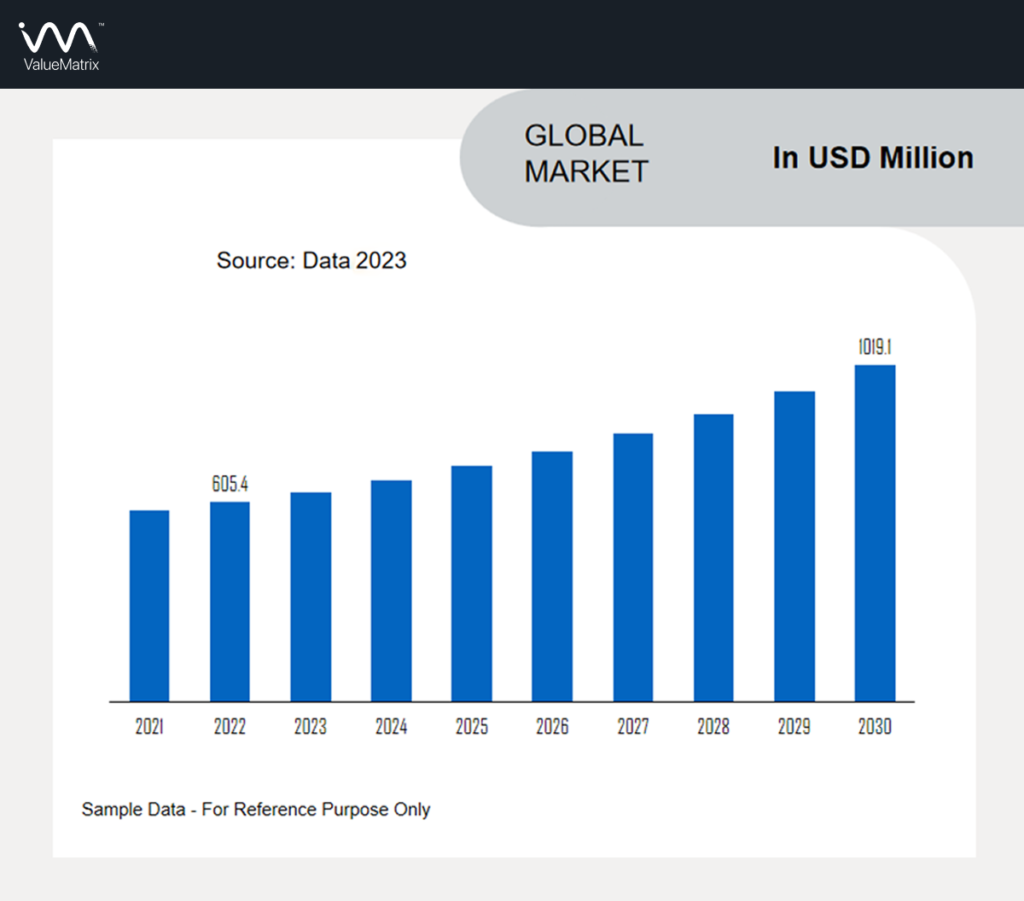
The change is evident as AI talent acquisition is bidding farewell to traditional recruitment practices, ranging from candidate sourcing to automated interview scheduling and hiring analytics. Almost 25% of businesses utilize AI-based recruitment tools, as revealed by the Society for Human Resource Management. There is much reason to believe that the adoption of these tools is happening at a galloping speed.
What Is AI Talent Acquisition?
AI talent acquisition is the planned use of artificial intelligence tools and means to quickly automate hiring tasks like candidate pooling, resume scouting, scheduling interviews, maintaining candidate engagement, and hiring data points.
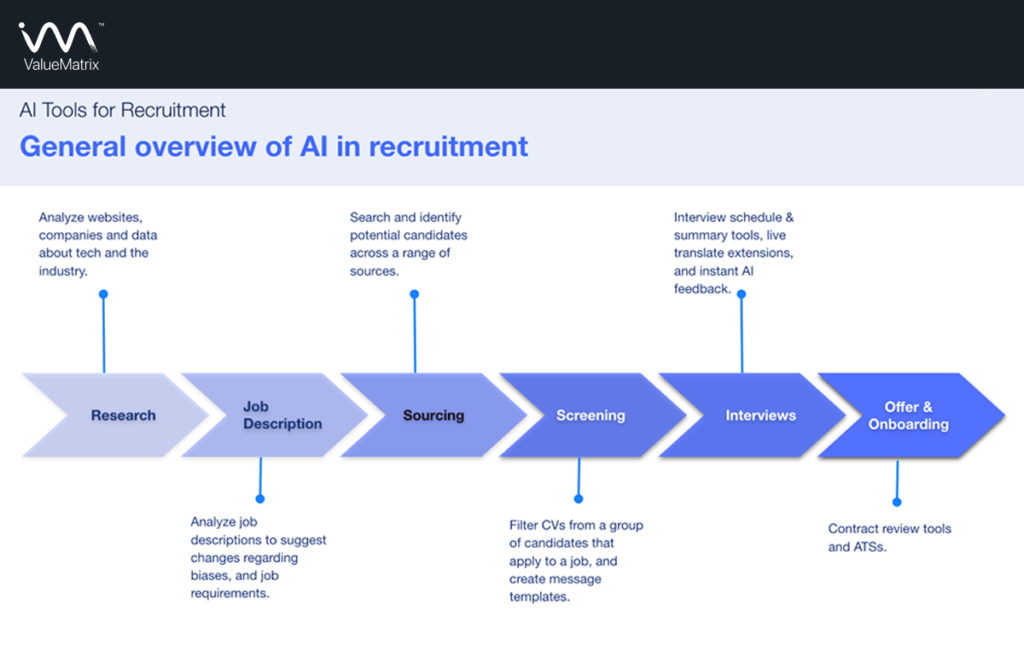
Contrary to traditional recruitment, AI-driven talent acquisition solutions deploy machine learning, NLP, and a preemptive data usage approach.
Key differentiating capabilities of AI recruiting tools for talent acquisition include the following:
- Automated resume screening and ranking
- Intelligent candidate sourcing across job platforms
- AI-powered chatbots for candidate communication
- Predictive analytics for hiring success
- Interview scheduling automation
- Skill and competency matching
Fact Source: According to the World Economic Forum, AI-driven hiring systems reduce recruitment processing time by up to 40% and improve candidate-job matching accuracy.
Key Takeaways:
75% of employers globally struggle to fill positions—AI helps identify qualified candidates faster across job boards and databases
- Machine learning, NLP, and predictive analytics are the three core technologies driving modern AI talent acquisition software
- AI in talent acquisition reduces bias only when models are regularly audited—biased training data produces biased outputs
Why Are Organizations Increasingly Adopting AI in Talent Acquisition?
The real reason behind the rapid use of AI and talent acquisition technologies is the rising need for faster, more reliable, and more personalized methods of modern recruitment.
1) Hiring Pressure and Talent Scarcity
According to a ManpowerGroup Talent Shortage Survey 2023 report, 75% of employers struggle to fill positions due to the talent scarcity. The worrying part is it’s higher than any time in history.
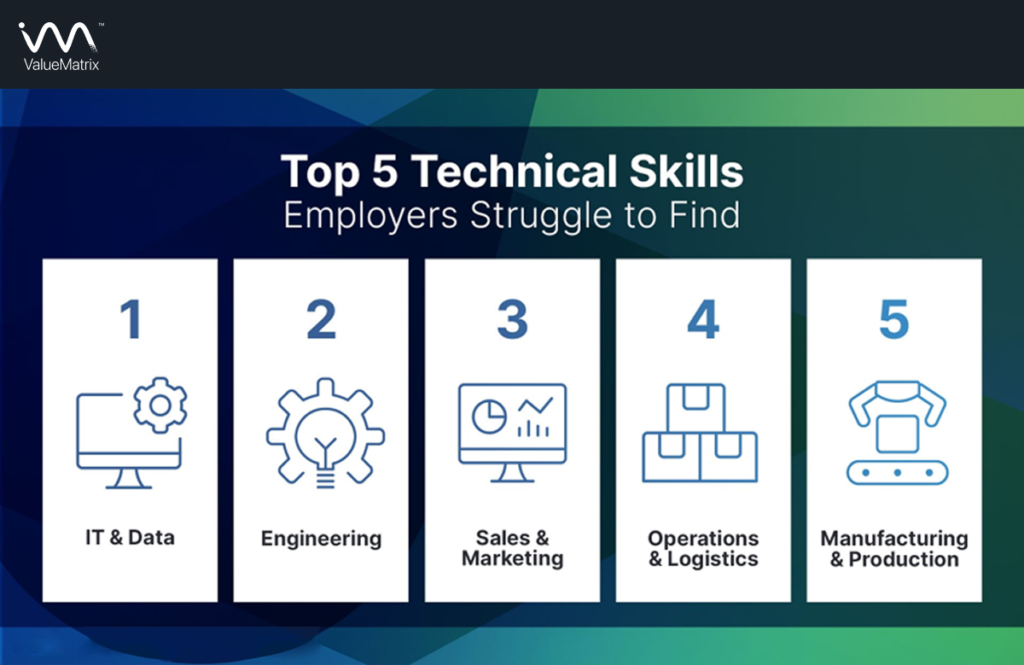
That’s where AI comes as a panacea by analyzing immeasurable datasets from job boards, social media, and internal talent databases to assist businesses in finding the cream of the crop among the candidates in no time.
2) Increased Complexity of Recruitment
Thousands of potential candidates are considered for each position in modern hiring—and it is paralyzing. It’s not just time-consuming because a typical job posting receives an average of 250 applications, according to LinkedIn. It distracts HR from bringing more tangible value to the company than just onboarding more people.
AI-powered talent acquisition tools can help in swiftly ranking the best applicants, increasing hiring effectiveness like never before.
3) The Need for Hiring Based on Data
Instead of pure gut feeling, recruitment decisions are increasingly being made by organizations using data. It’s only through AI that you can galvanize predictive hiring models that assess candidate skills, experience, and past hiring data.
Fact Source: 2022 McKinsey Global Institute 2022 report found that companies using data-driven performance management improved productivity by 25%.
What Are the Main AI Technologies Empowering Modern Talent Acquisition?
1) Machine Learning for Candidate Matching
Machine learning allows matching right candidates with the most suitable positions based on resumes, job requirements, and hiring outcomes.
They come with an inherent ability to self-learn as they improve as more hiring data points are used.
2) Natural Language Processing (NLP)
NLP assists AI systems in grasping the exact meaning of human language used in CVs, job descriptions, and candidate interactions in the perfect and right context.
It mainly assists in parsing resumes, extracting skills, and performing semantic matching of candidates with jobs.
3) AI Agents in Talent Acquisition
Another rapidly noteworthy trend in talent management is the deft use of AI agents in talent acquisition—carrying out key recruitment tasks almost autonomously.
AI agents can:
- Engage with candidates through chat tools
- Offer real-time job details
- Automate interview scheduling
- Answer questions from applicants
4) Predictive Analysis
Predictive analysis tools and models analyze past data and predict candidate performance and retention possibility.
Companies implementing this type of analysis are in a better position to zero in on candidates who can be more successful in the said roles and cultural moorings.
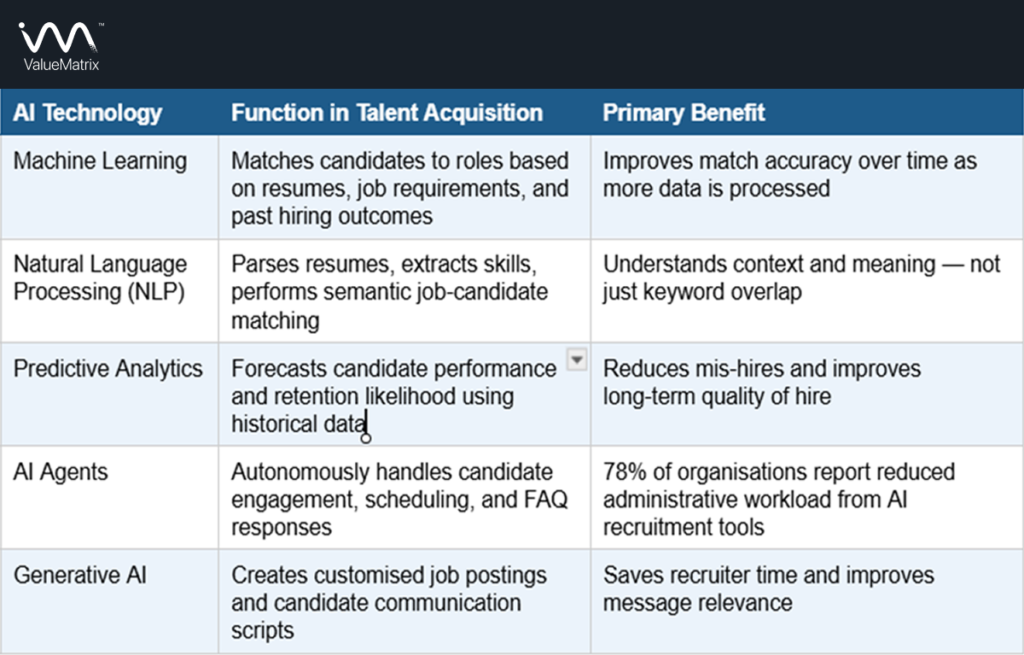
Fact Source: 78% of organisations report reduced administrative workload from AI recruitment tools (Second Talent, 2026)
What Are the Main Applications of AI in Talent Acquisition?
1. Candidate Sourcing
This key application of AI in talent acquisition implements cutting-edge machine learning algorithms to rummage through giant piles of candidate databases across all the available professional platforms, job portals, and internal company databases. The singular aim is to identify high-potential candidates meeting the job descriptions.
The greatest advantage of this approach is it goes beyond just active job seekers by connecting with passive candidates and analyzing their behavioral signals, interest ratio, career aspirations, and skill matching. The result is the sound rise in talent quality and diminishing dependence on manual talent hunts.
Fact Source: AI reduces screening costs by 75% and shortens the average hiring time from 44 days to 11 days.
2. Resume Screening
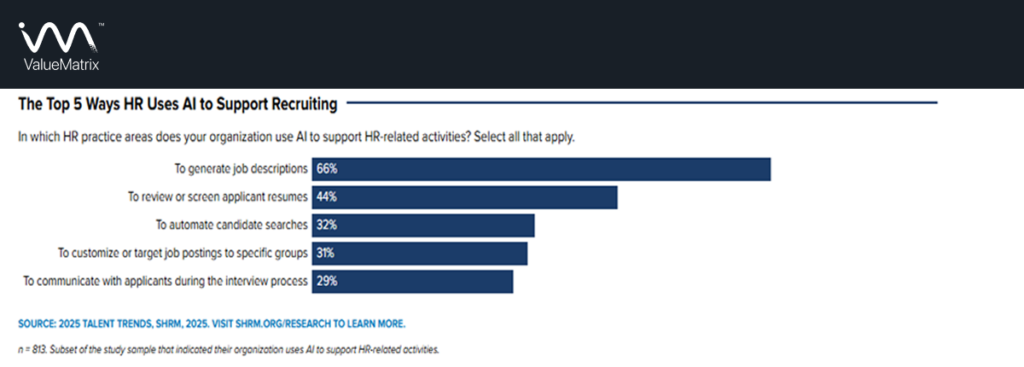
AI-driven resume screening automates the comparisons of multiple applications against job descriptions, required skill sets and experience, and cultural fit. By doing away with human biases as much as possible and cutting down the time spent on repetitive actions, AI resume screening allows recruiters to focus on what they know best and what should be their priority: Timely interacting with candidates at all possible recruitment stages and forging a bond with them.
Fact Source: Hilton Worldwide reported a 75% reduction in hiring time by implementing AI-driven recruitment solutions.
3. Candidate Engagement
The best way to foster hyper-personalized and timely candidate communication at all possible touch points is by quickly replying to candidate questions and giving out real-time updates and quick feedback. This is a must to ensure a responsive and memorable candidate experience throughout the hiring funnel. AI archives it via chatbots and candidate engagement platforms. The measurable impact is a much-needed boosted employer branding, reduced opt-out rates, and a higher offer acceptance rate.
Fact Source: Good onboarding communication makes hires 137% more willing to deepen their relationship with the company.
4. Interview Scheduling
The common headache of recruiters is endless back-and-forth communication with candidates in setting up the interview that slows down time-to-hire. AI-driven interview schedulers circumvent this niggle by automating the interview timings and communication through calendar sync, identifying mutually agreeable times, and doling out automated invites and reminders. Its visible impact is quicker decision-making and a much-elevated candidate experience.
Fact Source: Automated interview scheduling can cut recruiter screening time by up to 60%.
5. Predictive Hiring Analytics
The need is to move hiring away from a reactive and wait-and-watch approach to preemptive, data-driven insights that improve hire quality and build futuristic employee planning. That’s where predictive hiring arrives with a bang with detailed use of candidates’ historical and behavioral data points to forecast candidate success possibility, chances of retention, and cultural and ideological fit.
Fact Source: IBM used a machine learning tool to forecast employee attrition with 95% accuracy, enabling proactive retention in its 280,000+ workforce and saving $300M in retention.
Leading AI Solutions in Talent Acquisition
Organizations are increasingly applying leading AI solutions in talent acquisition to harness the best of the hiring process.
Some of the leading solutions are the following:
- AI Recruitment Platforms
- Talent Intelligence Platforms
- AI Sourcing Platforms
- Automated Interview Platforms
What Are the Key Benefits of AI in Talent Acquisition?
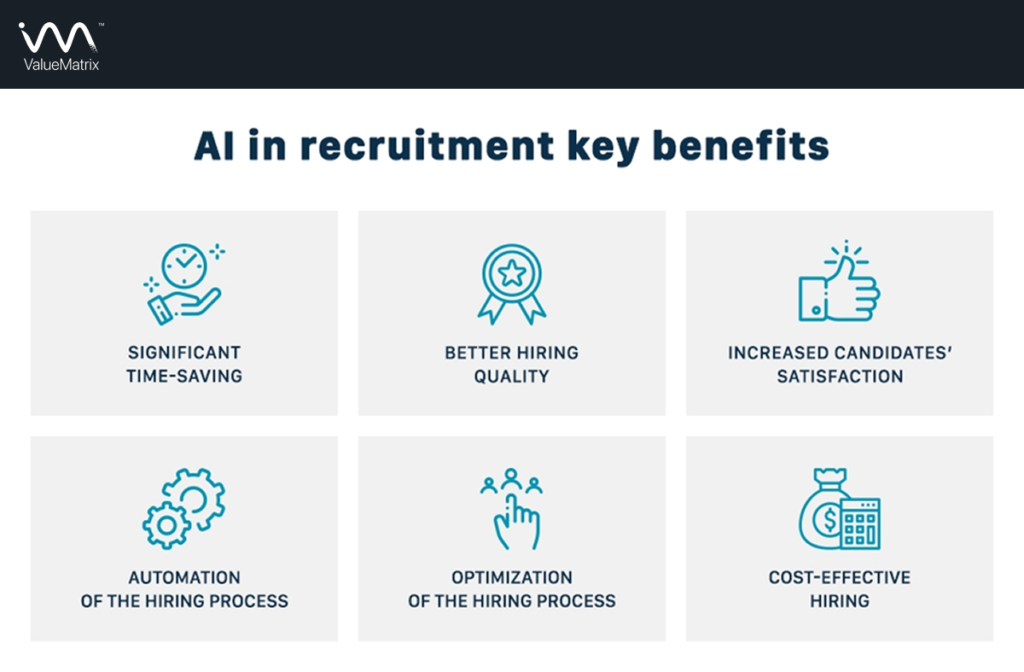
1) Quick Hiring
AI technologies are quickening the hiring process by automating tasks that demanded manual intervention and time.
According to a study by Deloitte, 56% of organizations have embraced automation, achieving a 47% boost in efficiency and a 43% cut in time to hire.
2) Great Candidate Matching
AI technologies allow companies to analyze multiple key factors about the candidate at the same time, making the matching process more accurate and multi-dimensional. As a result, this quickly improves the quality of the hire as well as his/her productivity.
3) Stirred Up Recruiter Productivity
By automating repetitive tasks—screening the resume and scheduling the interview—AI boosts overall recruiter productivity.
.
4) Stunning Candidate Experience
Through timely and contextually strong communication and personalized updates, AI technologies cultivate a unique candidate experience like never before.
5) Data-Driven Recruitment
AI technologies can unerringly and tirelessly analyze galaxies of data and provide actionable insights that turbocharge informed recruitment decisions.
Can AI Do Away With Hiring Bias?
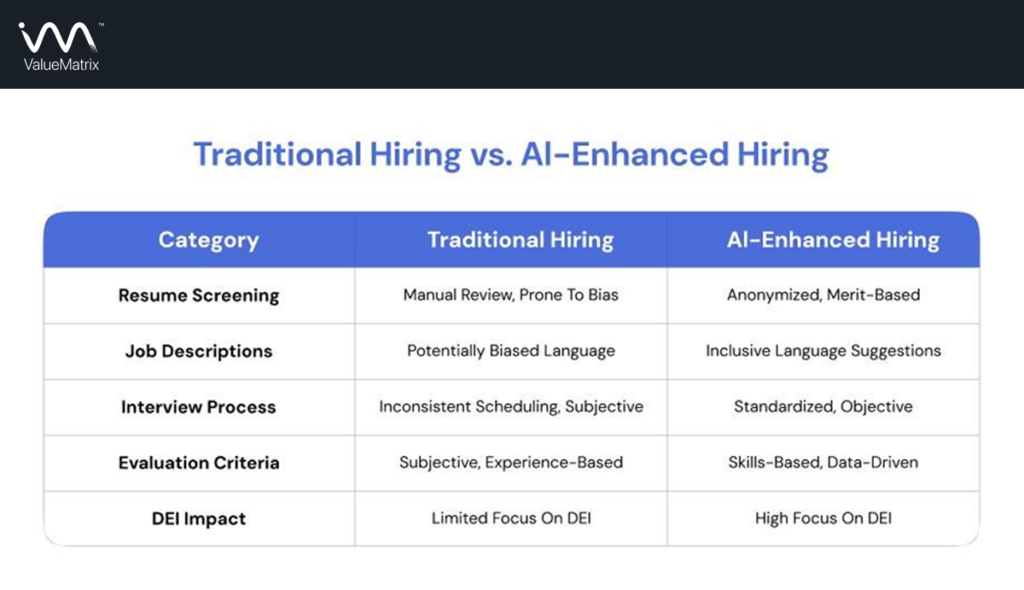
AI does carry biases. Systems running on old and biased datasets can plant and even accelerate those biases. The MIT Media Lab report on algorithmic hiring bias (2020) indicates that algorithmic hiring isn’t totally removed from discrimination if not worked upon.
Having said that, AI can do away with inherent biases by eliminating human judgments and conditioned mindsets from the start by focusing on skill sets, cultural and ideological fitness, and retention chances rather than on dividing factors like race, religion, and gender.
This demands a rigorous audit of AI outputs against universal benchmarks like the EEOC Four-Fifths Rule to ensure that selections or rejections are not an outcome of any known biases and are just and fair in the core.
This is why Explainable AI (XAI) is unavoidable. By letting recruiters understand how AI models make decisions based upon transparency combined with international governance frameworks, rigorous bias checks, and granular datasets, XAI ensures that AI-driven hiring systems deliver fair and ethical hiring decisions.
What Are the Key Challenges of AI-Driven Talent Acquisition?
1) Algorithmic Bias
When AI systems are fed on biased datasets, the result can be no different than biased and discriminatory hiring outcomes. It is triggered by machine learning models replicating patterns in the past data, irrespective of their inequalities and incongruities—causing probable mass-scale discrimination across all candidate pools by curtailing diversity and compliance rules.
2) Data Privacy Issues
As AI recruitment systems collect and process huge amounts of candidate data, they are prone to misuse and illegal access—the germ of the data privacy problem. In times of ceaseless digital scrutiny, when candidates are keeping an eye on how their personal data is being used, data privacy becomes the crux of employer reputation. And that’s precisely why complying with the General Data Protection Regulation (GDPR) can result in better brand building and relief from fines and legal consequences. The best way to do it is to follow a stringent data governance framework, create safe data piles and encryption, and maintain utmost transparency about the usage and collection of candidate data.
3) Lack of Human Judgment
Over-dependence on automated systems without instilling any human knowledge, empathy, and context results in humanless judgments. Though AI masters data processing, it may be a novice in capturing finer details like cultural context, inner desires, and collaboration skills. This is key, as onboarding a new person isn’t merely a technical decision—it demands assessing candidates as humans and total fitment with organizational values.
Over-automation comes with a danger of turning an entire hiring process impersonal and too robotic—a perfect recipe for bad candidate experiences and compromised hiring outcomes. The only way out from this dreadful scenario is the human-in-the-AI loop approach, where AI anchors the decision-making, but final critical judgment remains in the ambit of humans.
4) Candidate Trust
The moment candidates are repelled by the AI hiring system, candidate trust becomes a severe problem. It may arise due to doubts regarding fairness and the absolute zero human involvement in key career-making decisions. Since negative perceptions about the overall hiring process keep top talent away from the organization and harm the organization’s hard-earned reputation, it’s an expensive problem to ignore.
To keep this issue at bay, companies should start communicating the role of AI in hiring clearly and provide the utmost transparency via tools like Explainable AI (XAI) and ensure that AI systems will not be devoid of a human touch.
Are biases and data privacy hurting your workforce management?
Know how AI frameworks ensure fair and ethical recruitment decisions.
Case Studies: AI Transforming Recruitment
Unilever’s AI Recruitment Strategy
Consumer goods giant Unilever has been using AI-based recruitment tools for screening and recruiting candidates for quite some time. The key parts of it are AI video interviews and game-based assessments in the recruitment drive to find potential candidates.
The benefits of the strategy are:
- 90% less time taken in screening the candidates
- Increase in diversity in the candidate pool
- Improvement in the candidate experience
What Is the Future of AI in Talent Acquisition?
If we aren’t missing the scene clearly, AI in talent acquisition will be shaped by seamless integration with ever-changing data-backed automation. Trends, thus, are fascinating, to say the least:
1) AI Talent Marketplaces
Internal AI talent marketplaces will be explored more and more to match employees with internal opportunities.
2) Hyper-Personalized Candidate Experience
AI will personalize the candidate engagement and experience based on their preferences, different domain expertise, channel liking, and new-found career aspirations.
3) Skills-Based Hiring
AI will be the go-to model to analyze skills and shift the focus from traditional qualifications to skills-based hiring.
4) Autonomous Recruiting Systems
AI agents in the talent acquisition function will be at the forefront in using automation for the entire recruitment process.
According to forecasts from Gartner, the HR interaction will be supported or automated by 75% by the year 2030.
Does AI Talent Acquisition Deserve Your Investment?
For companies struggling with talent shortages, recruitment bottlenecks, and competitive labor markets, AI talent acquisition technology has a lot of merit to offer. Some benefits include:
- Lower hiring costs
- Tighter recruitment cycles
- Better candidate matching
- Workforce planning insights
But here is the flip: AI implementation isn’t without its fair share of challenges.
Frequently Asked Questions (FAQ)
1) What exactly is AI talent acquisition?
AI talent acquisition is defined as the use of artificial intelligence technologies to facilitate or automate talent acquisition activities such as talent sourcing, talent screening, and candidate engagement.
2) How does AI enhance the quality hire?
AI talent acquisition improves hiring quality through large data sets to match potential candidates whose skills and experience align with job demands
3) Can small companies optimize AI recruitment tools?
Yes, most modern recruitment tools are equipped with AI talent acquisition features that are useful to small and mid-sized organizations.
4) Does AI talent acquisition entirely remove hiring bias?
AI talent acquisition reduces hiring bias if well implemented, but hiring bias may arise from biased training data used in AI systems.
5) What are AI agents in talent acquisition?
AI agents in talent acquisition are intelligent agents that facilitate or automate talent acquisition activities such as candidate engagement, interview scheduling, and information delivery.
6) What risks do AI recruitment carry?
They can carry biases in the system, bring in data spoilage and transparency issues, and over-rely on automation.
7) How do chatbots assist in AI talent acquisition?
By interacting and answering their questions along with providing them with the information they need, chatbots can assist in talent acquisition.
8) Which companies benefit the most from AI for talent acquisition?
All companies that have high-volume and quality hiring needs or those that have a global recruitment requirement need AI for talent acquisition.
9) How does AI elevate the experience for candidates?
Through faster responses from the company and personalizing the end-to-end conversion, AI can reimagine great experiences for candidates.
10) How can HR professionals master AI recruitment tools?
By mastering data linguistics, AI recruitment tools, and data trends, HR may become the right person to leverage AI recruitment tools.
Conclusion
From the application of artificial intelligence in the screening of resumes to implementing hiring analytics, the use of artificial intelligence in the recruitment process is not just a need—it’s the lifeblood of any modern organization. However, it must be carried out in an ethical and transparent way.
The application of artificial intelligence in the recruitment process will give organizations a much-needed competitive edge in acquiring and retaining the best and brightest talent for a longer period. And that can be a real game changer!
Don’t let inefficient hiring methods affect your quality hiring.