
Table of contents
AI talent screening systems help employers conduct background checks that go beyond standard procedures because they detect candidate deception during recruitment and preserve hiring standards from start to finish of the selection process. The systems function as an ongoing security protection which check employee identities and their qualifications, and detect any untrustworthy actions during the recruitment process before extending an offer to an unsuitable candidate.
Why are background checks no longer enough?
Background checks verify criminal history, employment tenure, and education after candidates reach their final stages of application or after they receive job offers, which results in discovering fraud after it becomes too late to act. Candidates now use advanced deception techniques, which include creating bogus resumes and conducting fake job interviews through deepfake video calls and having others take their online tests.
The current hiring process operates primarily through remote methods, which forces recruiters to depend on digital communication instead of physical body language, thus enabling AI to produce fake responses, impersonation attacks, and test fraud that standard verification methods fail to detect. The existing differences between recruitment systems threaten the quality of hire because they enable unqualified candidates with deceptive intentions to occupy essential positions, which will damage organizational performance and harm corporate reputation.
What does AI candidate screening fraud really look like?
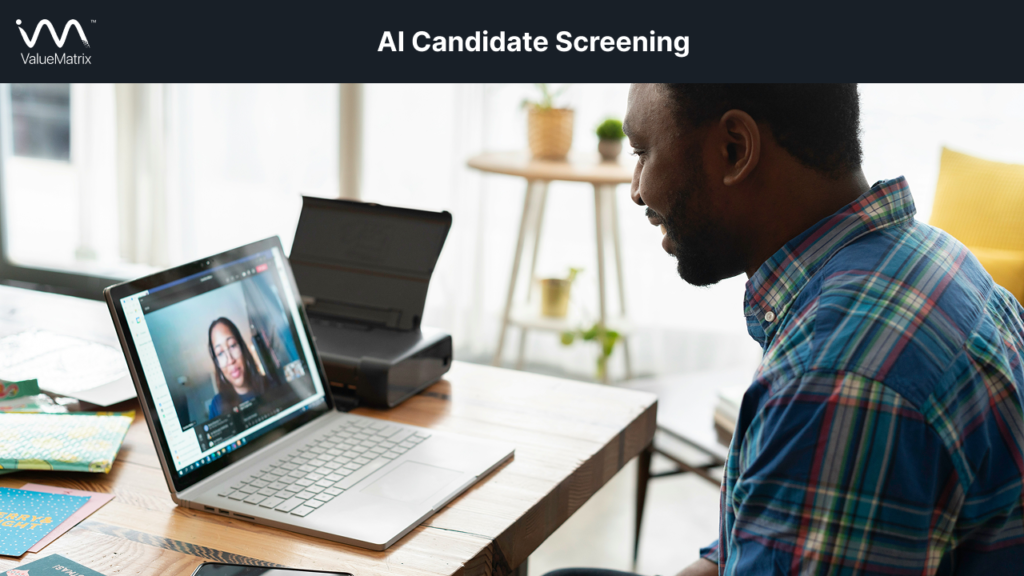
AI Candidate Screening Fraud occurs when candidates use technological methods and deceptive strategies to manipulate AI-based recruitment systems by providing pre-programmed responses, using someone else to complete tests, and hiding their actual identity during video assessments. Fraudsters create fake resumes which look professional but contain false information, while they also use cloned LinkedIn profiles and purchased pre-made portfolios to trick automated screening systems into thinking they are exceptional candidates.
AI-based tool screening depends on patterns from CVs, keywords, and behavioral signals which fraudulent candidates use to hide their actual abilities while avoiding detection. AI systems create new security risks that organizations must address through the purposeful implementation of Recruitment Fraud Detection capabilities in their technology infrastructure.
Protecting the quality of hire from fraud
Organizations need to handle Quality of Hire protection from Fraud as a risk management objective instead of pursuing it as a standard sourcing goal. Talent Acquisition teams now monitor fraud-related performance indicators, which include candidate identity problems, assessment security breaches, and job offer withdrawals because of false information.
Organizations that implement AI screening systems that require multiple human review stages will obtain superior quality of hire outcomes. The system operates through recruiters who verify AI-generated alerts, hiring managers who perform standardized interviews, and HR compliance teams who conduct thorough assessments for sensitive positions. The system protects itself from fake candidates who try to pass screening while it provides a positive experience to candidates who qualify for the position.
How does the candidate identity verification AI work?
The AI system for candidate identity verification uses document forensics with biometric analysis to establish candidate authenticity while it checks their camera appearance against their official identification documents. The systems verify real-time selfie or video comparisons through facial recognition and liveness detection, which protects against deepfakes and static images by using ID photo analysis, MRZ code examination, and embedded data inspection.
The system performs identity verification at various stages of recruitment, starting from candidate application through online testing until new employee onboarding, to stop candidates from using fake identities. The implementation of identity verification systems within ATS operational processes enables recruiters to use this system without noticing it, but the system provides enhanced protection against recruitment fraud attacks at large scale.
AI fraud detection in candidate screening
AI Fraud detection in candidate screening uses behavioral, technical, and data consistency signals, which fraudsters find difficult to manipulate. Machine learning models evaluate typing speed, response times, speech patterns, and interaction styles through comparison with standard ranges to detect abnormal patterns, which include both extremely quick test completion and improbable answer patterns.
The systems perform cross-checks between resume data, social profile information, previous job applications and external database records to detect potential false information about work experience and qualifications. Real-time fraud monitoring during interviews enables recruiters to detect suspicious network behavior, unorthodox device operations and AI-generated responses which they can use to conduct additional questioning.
Online assessment fraud prevention in practice
Online assessment fraud prevention implements three security measures which combine protected testing methods with artificial intelligence proctoring and ongoing surveillance to verify test-taker identity with job applicants. The system tracks all access to websites, messaging tools, and remote-control software through its browser locking mechanism, which monitors keyboard entries and screen movements, and all copy-paste actions.
The visual monitoring system uses webcam-based proctoring with facial recognition technology to identify screen users through face detection, which detects both single and multiple faces, and monitors screen user presence to prevent impersonation attempts. Organizations that need to make essential hiring choices use AI proctoring systems, which work with live technical interviews and on-platform work samples to validate candidate abilities.
Table: Where AI protects the quality of hire
| Hiring stage | Key risk from candidate fraud | How AI protects the quality of hire |
| Application & resume | Fake profiles, inflated experience, duplicate applications | Recruitment Fraud Detection models scan for suspicious patterns, cross-check histories, and flag repeated or inconsistent submissions. |
| Identity verification | Impersonation, deepfakes, ghost candidates | Candidate identity verification AI uses biometric matching and liveness detection to ensure the applicant is real and matches official ID documents. |
| Online tests & assessments | Outsourced exams, cheating, unauthorized tools | Online assessment fraud prevention detects abnormal completion times, unusual answer patterns, and prohibited browser activity. |
| Interviews (remote) | Proxy interviews, AI-generated responses | Real-time AI monitoring analyzes audio–video signals and content patterns to flag AI-assisted or impersonated interviews. |
| Offer & onboarding | Last-minute identity swaps, document tampering | Continuous verification and document forensics validate identity and credentials before access to systems or sensitive data is granted. |
Designing AI defenses without harming candidate experience
The implementation of fraud controls needs to be both strict and respectful of actual candidates, who should not experience any sense of mistrust or monitoring. The HR department achieves this goal through three methods, which include explaining the verification requirements to candidates, performing only essential check,s and providing direct assistance to candidates who face technical problems.
The development of AI Candidate Screening Fraud defenses requires organizations to establish fairness as their primary consideration because models need to pass bias tests for different demographic groups and must follow privacy rules that protect biometric and identity information. The implementation of these safeguards turns AI into a trust indicator which shows candidates that the organization upholds its high standards of integrity.
How does ValueMatrix strengthen fraud‑safe hiring?
For teams that want these protections without adding more manual work, ValueMatrix brings identity verification, fraud detection, and assessment security into a single hiring workflow. Recruiters can keep using their existing ATS and video interview platforms while ValueMatrix quietly runs checks in the background, flagging suspicious patterns without slowing down shortlisting or interviews.
The platform uses document forensics and biometric checks to confirm that each candidate is who they claim to be, and then layers on behavioral and technical signals to spot impersonation, AI‑generated answers, or abnormal test behavior. Instead of leaving hiring managers to guess whether an interview or online test “felt off,” ValueMatrix surfaces clear risk alerts, so teams can either investigate further or confidently move forward with qualified applicants.
Because ValueMatrix was built for TA and HR users, the controls stay strict on fraud but human in their design. Candidates see simple explanations of why verification is needed, support is available when they hit technical issues, and privacy safeguards protect their identity data throughout the process. The result is a hiring experience that feels fair and transparent to genuine applicants while blocking the small minority who try to game the system.
Practical steps for TA and HR leaders
Organizations should begin their fraud protection work for quality of hire through risk assessment to identify which jobs present the most fraud danger and which need direct trust verification. The organization should start bytesting candidate identity verification AI and AI Fraud detection during candidate screening for a few specific job openings while monitoring performance indicators which include fraud detection alerts and assessment security breaches.
The current ATS, CRM systems, and video interview platforms can implement Recruitment Fraud Detection, which enables background fraud checks to run simultaneously with recruiters performing their relationship development tasks. The system becomes more resistant to threats because hiring managers receive training to identify fraudulent activities and operate AI alert systems properly. The system protects job candidates and the organization’s candidate search capabilities from emerging security threats that appear during the recruitment process.
Conclusion
Candidate fraud is no longer a rare exception; it is an everyday risk that can quietly erode the quality of hire if it goes unchecked. As remote interviews, online tests, and AI tools become standard, traditional background checks on their own are simply too late and too limited to protect organizations from deepfakes, proxy interviews, and fabricated profiles.
By combining identity verification, AI‑driven fraud detection, and secure online assessment practices, TA and HR leaders can treat quality of hire as a true risk‑management priority instead of a hopeful outcome. When these defenses are implemented with fairness, transparency, and candidate experience in mind, and supported by platforms like ValueMatrix, organizations can build hiring processes that are both safer and more trustworthy for every genuine applicant who chooses to apply.
FAQs
1. What is candidate fraud in hiring?
The practice of candidate fraud occurs when job seekers provide false information about their work history, use fake videos through deepfakes for virtual interviews or someone else takes their placement exams. The system allows unqualified candidates to enter positions because its traditional evaluation methods fail to detect their lack of qualifications which results in future team performance deterioration.
AI systems use their distinct operational methods to achieve superior fraud detection results than conventional background screening methods. AI monitors real-time signals which include typing patterns, voice characteristics and ID biometric data throughout the entire process instead of only using them at the final stage. Background checks happen at the end but AI technology identifies potential problems during resume screening and test evaluation itself to prevent organizations from making incorrect hiring decisions.
Not if done right. Smart systems provide customers with clear information about their checks, process transactions at a fast pace and provide assistance when technology fails. The system establishes trust between job seekers and employers through its fair treatment of all applicants which simultaneously eliminates dishonest candidates from the recruitment process.
Absolutely. ValueMatrix plugs into your ATS for seamless identity checks, fraud alerts, and proctoring. It keeps things running smooth for recruiters while quietly blocking risks, all with candidate privacy in mind.
Start small. Assess high-risk roles, pilot AI verification on a few jobs, and track metrics like fake alerts or drop-off rates. Tools like ValueMatrix make it easy to layer on without overhauling everything.
About Us
ValueMatrix is an AI-powered talent intelligence platform that helps companies hire better, faster, and without bias. We go beyond resumes to assess skills, behavioral traits, and cultural fit using advanced AI and proven psychological frameworks. Our platform delivers data-driven insights that improve hiring accuracy, reduce time-to-hire, and elevate candidate quality.
ValueMatrix AI enables hiring teams to make confident hiring decisions and build high-performing teams at scale.