
Table of contents
- Hiring Smarter in 2026 : AI Talent Acquisition Trends to Watch
- 1. The Rise of Agentic AI Sourcing
- 2. The Shift to Skills-Based Hiring Models
- 3. Data-Driven Recruitment Strategies
- 4. AI-Based Internal Mobility
- 5. Addressing the Authenticity Gap
- 6. The Ethics of AI in Talent Acquisition
- 7. Predictive Analytics for Quality of Hire
- 8. The Role of LLM Fingerprinting in Screening
- 9. Inclusive AI Implementation Strategies
- 10. Global Human Capital Trends in 2026
- 11. Reducing Time-to-Hire with Intelligent Scheduling
- 12. The Emergence of Cognitive Skill Assessments
- 13. Building Culturally Cohesive Teams
- 14. Overcoming Recruitment Bias with I/O Psychology
- 15. The Impact of AI on High-Volume Recruiting
- 16. Legal Compliance and Transparency Mandates
- 17. Semantic Search: Context Over Keywords
- 18. The Cost-Benefit Analysis of AI Adoption
- 19. Onboarding Digital Teammates
- 20. Continuous Learning and Workforce Readiness
- Conclusion: The Future of Smarter Hiring
- 2026 Recruitment Statistics Table
- FAQs
Hiring Smarter in 2026 : AI Talent Acquisition Trends to Watch
The 2026 recruitment landscape is about how propositionally different it has evolved from traditional ways. Talent acquisition trends have now started to focus on the quality and ethical side as AI goes from novelty to an utmost necessity. The emphasis has often been upon building a resilient skills-first workforce able to swiftly respond to rapid market changes using data rather than simply filling an open seat.
Leaders adopting Talent acquisition technology trends liberate their teams from transactional activities: With 54 per cent more of a recruiter’s time spent acting as a strategic advisor to business leaders rather than doing transactional work. The objective is to automate all administrative tasks and provide efficient, speedy, and human-centered approaches to attract top talent. Here are the top 20 trends in AI Talent Acquisition to watch.
1. The Rise of Agentic AI Sourcing
In the year 2026, the greatest trends in talent acquisition evolve through “Agentic AI.” Unlike the previous automation, this intelligent agent makes complex decisions across all recruitment lifecycles. It searches global talent pools proactively, conducts initial skill-based screening of candidates, and drafts personal offer packs with very minimal human intervention.
Sourcing technology made a complete reimagination of the organization’s sourcing strategies. Chipotle, for example, is one of the giants using these agents to reduce the time to hire from 12 to 4 days. Such swiftness gives a huge competitive benefit in getting top candidates before they accept other offers.
2. The Shift to Skills-Based Hiring Models
This has been one of the greatest talent acquisition trends of 2025 and 2026. Organizations gradually move away from traditional grade requirements to proving capabilities. They are then able to access millions of skilled candidates through alternative routes (STARs), candidates who have the technical know-how that modern roles demand.
By conducting objective skill audits using AI, organizations end up broadening their talent pools by as much as 20% while at the same time, having eliminated recruitment bias. This challenge helps address the chronic talent shortage that 63% of employers cite as the primary barrier to the growth of their organizations.
3. Data-Driven Recruitment Strategies
Recruitment based on the best facts will hence lead to objective hiring decisions. Organizations have now increasingly turned to data mining to ease the efforts involved in hiring and predicting workforce trends in the future. Guesswork is eliminated so that recruiters can spend less time on irrelevant speculative job applications and more time searching for the right candidates for the role. Employees can also monitor the costs of doing things from the inside in a better way using data-driven models.
Harnessing sources leads to reduced loss as a result of unproductive job boards. Personalized outreach strategies deriving from candidate data lead to 85% engagement rates as opposed to generic ones.
4. AI-Based Internal Mobility
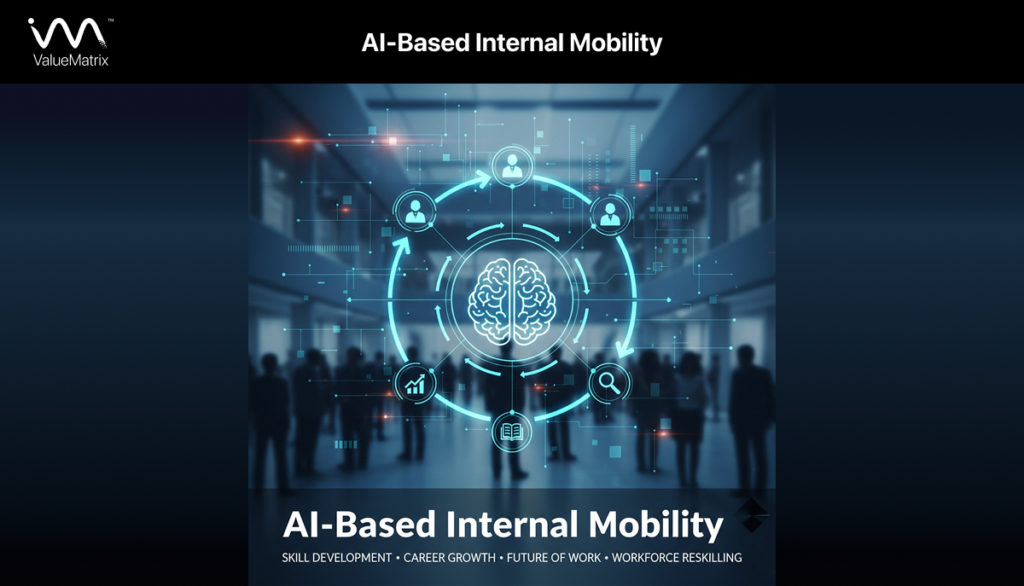
Internal mobility fills an empty position with current employees to increase organizational resilience and retention. The use of AI-enabled platforms transforms static employee records into responsive intelligence. Businesses automatically map employees’ skills against new business needs to drive growth from within.
Darwinbox Sense stores and transforms information into real-time intelligence via an AI-powered skills ontology, which discovers hidden talent and proposes career pathways, thereby decreasing external recruitment spend. Using natural language search, managers can quickly find internal successors for high-stakes roles.
5. Addressing the Authenticity Gap
Though candidates were using generative AI to construct their resumes, recruiters faced a “volume explosion” of similar applications. Among the trends within talent acquisition technology is the introduction of “LLM Fingerprinting” to separate the machine-generated text from a real human experience. 58% of job seekers use AI in their applications.
Firms usually undertake multiple levels of assessment that are intended to maintain quality. These assessments include solving real-life problems and video assessments of skills. This form of defense against “application inflation” then ensures only the most qualified candidates get through to the last interview round.
6. The Ethics of AI in Talent Acquisition
Ethical AI implementation will build trust between the candidate and the employee base. An organization must now ensure that all of its AI models are inclusive and devoid of historical biases in old training data. Legal and reputational safeguards now include regular checks and transparent scoring systems.
ValueMatrix notes that successful AI adoption needs an “Inclusive AI Implementation Checklist,” comprising testing AI outputs on diverse candidate profiles and securing safe feedback channels for applicants. Thus, if companies are ethical, the welfare of all stakeholders will be secured, and not only will the bottom line benefit from technology (Source: ValueMatrix).
7. Predictive Analytics for Quality of Hire
Predictive analytics makes HR decisions based on solid data rather than hunches. The turnover-skill-growth patterns can be tracked by such models, as they would predict which candidates would make it long-term. Thus, HR becomes a forward-thinking strategic rather than a reactive “back-office admin” function.
According to the hiring managers concerned, the quality of hiring increases up to 95% by employing data-driven intelligence. Such systems analyze historical performance data to isolate distinguishing characteristics that drive retention for 1 year, along with significant productivity (Source: ValueMatrix).
8. The Role of LLM Fingerprinting in Screening
Detects the subtle linguistic patterns unique to large language models like GPT-4, and recruiters use this to flag resumes that do not feature any of the so-called stylometric markers of human authorship. While AI assistance is not common, identifying where the candidate stops and the machine starts becomes very important in assessing true potential.
With it, the recruitment funnel is restored to a healthy balance. Instead of reviewing the 5,000 resumes manually, the system spots the 200 that betray original thought and seem to demonstrate skills verified by the application. Thus, genuine talent does not drown in a sea of AI-generated noise (Source: Forbes Council).
9. Inclusive AI Implementation Strategies
By having an inclusive AI design, hiring algorithms would not be able to replicate social biases. An equal platform is created for varying racial, ethnic, educational, and even religious backgrounds by making their training data rich with all these differences. That way, a candidate’s background never gets to negatively affect their evaluation.
An organization that focuses on inclusivity will always have high user satisfaction and increased trust. The regular algorithmic audits will act as guardrails, finding and fixing biased patterns before a single hiring decision is affected.
10. Global Human Capital Trends in 2026
The much-anticipated Deloitte report in 2026 will show that 85% of organizations now prioritize candidate authenticity as an essential business metric. The “Authenticity Gap” refers to the widening gap between the digital persona a candidate creates and the real-world capability. The process of closing this gap requires the rescheduling of the interview process in its entirety.
Global trends also delve into the CHRO-CIO merger: integrating talent strategy and technical infrastructure helps organizations scale their talent intelligence much better. It allows for the seamless use of AI tools during the entire employee lifecycle.
11. Reducing Time-to-Hire with Intelligent Scheduling
AI Scheduling can determine the best time very quickly by using the calendars of recruiters and the preferences of candidates to find the best time. Hundreds of wasted hours without any results were accumulated every month in manual interview scheduling. This prevents candidates from being tempted to accept a competing offer during the “dead time” between interview rounds.
Degree of Reducing the Time-to-Hire Time- Eleven days instead of the average number of 44 days in the industry. The speeds can be directly connected with a30% decrease in a candidate drop-off rate because the top talent stays in the pool of qualified applicants in a fast-moving process.
12. The Emergence of Cognitive Skill Assessments
Cognitive assessments concern how one thinks rather than what knowledge one possesses. The AI-enabled test examines problem-solving, critical thinking, and learning agility in real time. Dynamic resumes cannot offer a “whole human” profile.
These assessments are adaptive, such that there is a shifting of questions in the area of difficulty according to how well a candidate is performing. This allows for a more accurate score in much less time; a positive experience for the applicant, while the recruiter gets high-quality data.
13. Building Culturally Cohesive Teams
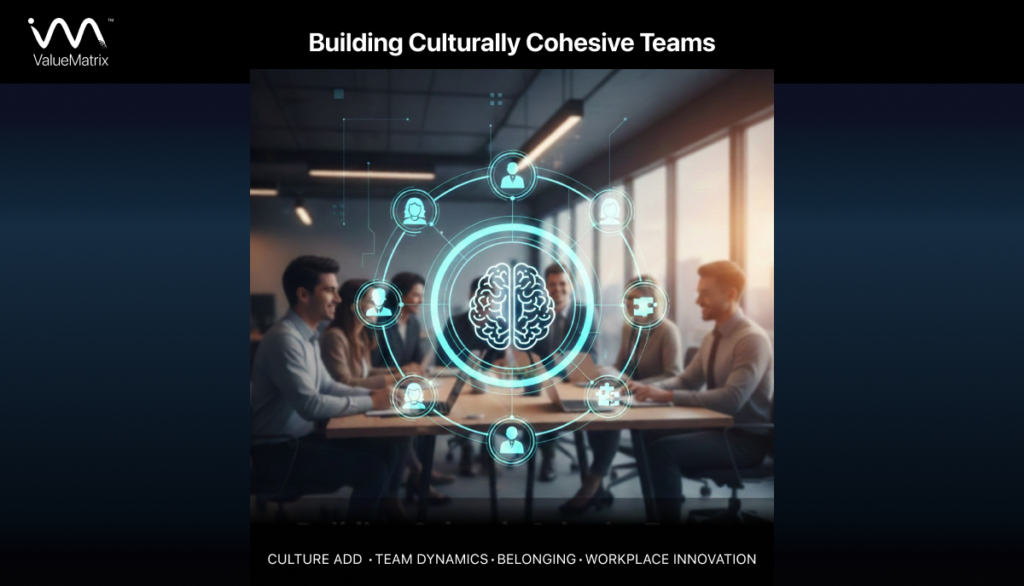
Culture Add is the main concept rather than Culture Fit. AI identifies those people who will strengthen the dynamic of the team without creating friction through their perceptions developed through the differences in their backgrounds. This will also mitigate against what is referred to as ‘affinity bias’, under which managers choose staff who look just like themselves.
AI uses psychological frameworks to interpret how well a candidate’s communication style and values complement the existing team. Leading to innovation and a 48% improvement in the diversity representation across high-performing teams (Source: ValueMatrix).
14. Overcoming Recruitment Bias with I/O Psychology
Science-based methods are used by Industrial-Organizational (I/O) psychologists to eradicate the human bias in hiring. For structured assessment purposes coupled with clear scoring rubrics, they ensure that every candidate gets an equal evaluation. A scientific approach turns hiring into a fair, repeatable process.
ValueMatrix partners with HR professionals to conduct these holistic assessments. Merit and future potential take precedence over names or past employers to create equal workplaces that reflect true diversity in the talent market.
15. The Impact of AI on High-Volume Recruiting
High-volume recruitment often leads to “burnout” for recruiters, as well as a negative candidate experience. AI solves this by sharing the bulk of the work in resume parsing and initial candidate interaction. Hence, a small recruitment team is able to handle thousands of applications with minimal compromise on recruitment quality.
In sectors such as retail or healthcare, AI-led screening improves the interview-to-hire ratio by 25%. It also ensures that applicants applying to organizations with an overwhelming number of applications receive some level of response, thereby building the employer brand (Source: ValueMatrix).
16. Legal Compliance and Transparency Mandates
The new acts-like of the EU AI Act and Local Law 144 in New York City require that AI decisions be transparent in hiring. Companies are required to tell candidates when their profile is being assessed by an automated system, or risk facing huge fines due to reputation damage.
Compliance in 2026 will require regular bias audits and checks on all programs used for recruitment. Your AI vendors should equip you with built-in fairness mechanisms that would automatically readjust to flag unfair patterns in real-time.
17. Semantic Search: Context Over Keywords
In doing a keyword search, in most cases, the worthy candidates are missed due to their use of different terminologies. Semantic search, with Natural Language Processing (NLP) in the background, gets applied to read the meaning behind a resume. It is intelligent enough to pick a “Growth Lead,” though that person previously may have held the title of “Marketing Manager.”
This technology truly gives recruiters a fair chance of finding “hidden gems,” deserving candidates with all the right skills that have no titles as per the expected norms. It broadens the search parameters to ensure that the best talent is found based on capability instead of vocabulary (Source: Aisera).
18. The Cost-Benefit Analysis of AI Adoption
AI recruitment tools must be invested in as a one-time payment, but the returns yield remarkably great revenue. As reported, organizations have experienced hiring costs to shoot downward by around 30 to 40% due to process efficiency and reduction in manual labor. Instead, those savings continue to flow back into HR for further investment in employee development and retention programs.
If there is any reduction in cost per hire, that should be cherry-picked only. The true value comes in what we call reduced turnover costs, as better matches stay longer and start performing higher from day one.
19. Onboarding Digital Teammates
In 2026, onboarding is also going to present new hires to their “AI co-pilots.” Effective digital transformation comes from ensuring that employees understand how to use AI tools to make better choices in doing their jobs, which not only eliminates any fear of “human replacement” but also nurtures an innovative culture.
The successful companies use AI as a mentor in the first 90 days. The technology tracks early engagement levels and provides personalized learning paths to help new hires reach full productivity 30% faster than traditional methods.
20. Continuous Learning and Workforce Readiness
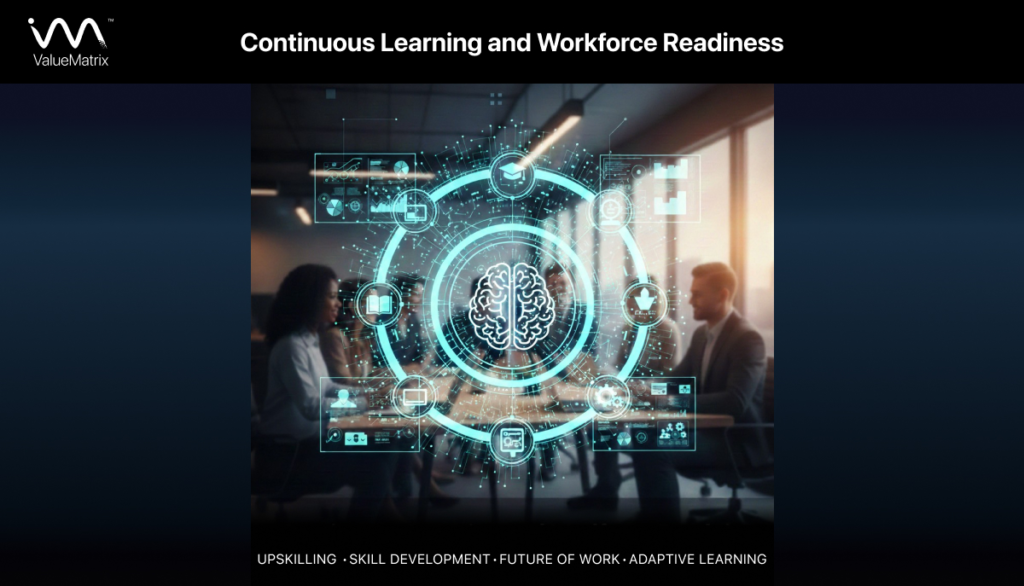
The World Economic Forum states that nearly 40 per cent of jobs will demand completely new skill sets by the year 2030. Universal constant learning has become necessary for the world of work, preparing for this transition. AI identifies skill gaps in the current workforce and recommends equipping the target training to address them.
Therefore, skilling is a new prerequisite to have an employable workforce. Organizations that offer clear career paths and opportunities for internal mobility are likely to experience much higher retention in this competitive market by the year 2026.
Conclusion: The Future of Smarter Hiring
More accurately, recruitment in the future is likely to be more about “humans empowered by AI” as opposed to the bets placed on one or the other. An augmented set of tools can help make hiring decisions from an empathetic, efficient point of view and a fair place by 2026. Organizations that balance technical intelligence with human leadership will be the ones putting the talent war to rest.
In leading this new trend toward whole-human work environments, ValueMatrix combines deep technology with psychological frameworks. ValueMatrix helps you create teams that are not only performing and culturally diverse but also fit to face the future challenges.
2026 Recruitment Statistics Table
| Metric | 2026 Industry Average | Top Performer Goal | Strategic Benefit | Source URL |
| Time-to-Hire | 44 Days | 11 Days | Prevents candidate ghosting. | ValueMatrix |
| Quality of Hire | 65% Retention (1yr) | >85% Retention | Reduces expensive turnover. | Taggd Insights |
| Screening Costs | $X (Standard) | 75% Reduction | Frees up budget for L&D. | ValueMatrix |
| Diversity Metric | Human: 0.67 Fairness | AI: 0.94 Fairness | Ensures equitable hiring. | ValueMatrix |
FAQs
ValueMatrix uses an Inclusive AI Checklist, which tests all algorithms against diverse candidate profiles. We audit AI-supported decisions periodically to ensure that, in hiring, the results remain fair across all demographics; thus, inclusivity becomes an improvement process.
Yes. Predictive analytics is employed by AI to look for patterns in historical data, including career trajectory, skill relevance, and cultural integration. In doing so, the system can present a very accurate prediction of the candidate’s success and retention in the long term, saving the company thousands in replacement costs.
An Applicant Tracking System (ATS) primarily manages records and filters keywords. In contrast, AI-driven recruitment is beyond the simple keyword filtering algorithms, with Natural Language Processing (NLP) contextual understanding, candidate success predictions, and the automation of complex decision-making tasks for speed and quality enhancement.
AI prevents fraud by conducting biometric verification of identity and cross-referencing claims from the resume with external data sources. It immediately flags inconsistencies like fake references or “carded” skills, ensuring that you only interview those candidates who are truly who they claim to be.