
Table of contents
- Digital Twin Workplace
- What are Digital Twins in the Context of Workforce Planning/Workforce Culture?
- Why Workplace Culture Needs a Digital Twin?
- What is the role of Digital Twins in Workforce Planning?
- ValueMatrix’s AI-Powered Talent Intelligence Platform and its role in tomorrow’s hiring
- What are the benefits of adopting Digital Twin Strategies?
- What are the Challenges and Ethical Considerations?
- The Future of Digital Twins in HR and Culture Building!!
- Conclusion: Making the Invisible Visible – ValueMatrix.ai
- FAQs
Digital Twin Workplace
Imagine a work world where you can test new leadership approaches, hybrid work models, or team structures, or any other changes that you are planning for your workforce before implementing them — much like a virtual lab where simulations are tested. Digital Twin Strategies are exactly that.
Digital Twins are not completely new; they have been widely used in the engineering and manufacturing segments. The concept has evolved into a transformative tool for workforce planning and culture design. This is completely data-driven, past data of various types are being analysed to create simulations of its people, systems, and workflows — this is for leaders to try different strategies to figure out how their workforce behaves, adapts, and performs under different conditions.
Digital Workforce Twin is here to help organisations in culture mapping, measuring performance, team dynamics, predicting, planning and evolving aptly in a world where workplace dynamics are changing faster than ever.
What are Digital Twins in the Context of Workforce Planning/Workforce Culture?
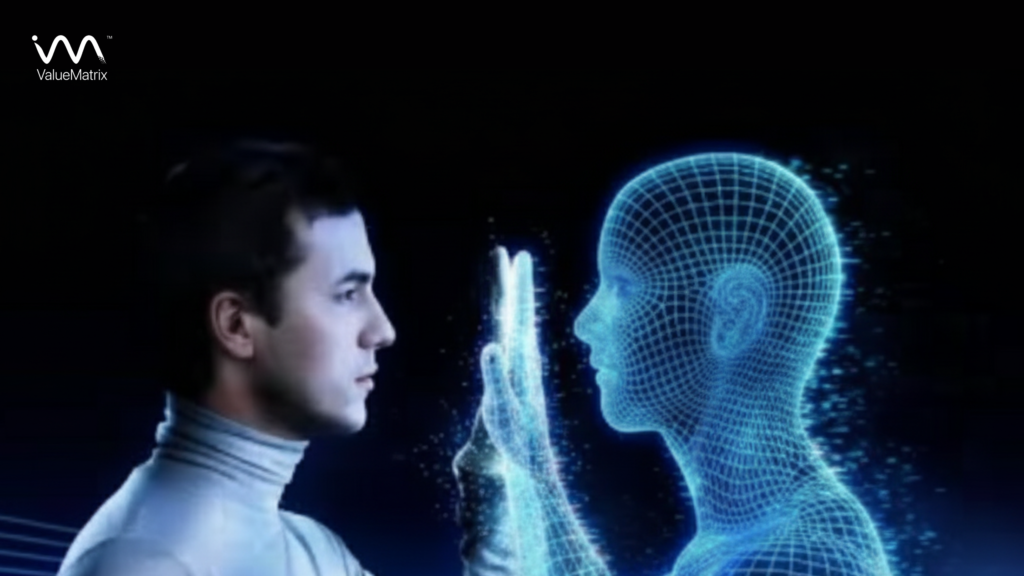
A virtual replica of a real-world object, system, or process that uses real-time data to reflect and forecast actual performance is called a Digital Twin. Digital Twins have transformed into HR; earlier, they were used in the manufacturing and engineering industries only. They were used to simulate machinery or production lines.
A workforce digital twin models roles, skills, collaboration patterns, and even cultural dynamics and team dynamics. Data drawn from HR systems, project management tools, and employee engagement platforms is used and using AI and analytics scenarios like below are created to understand how these will impact the workforce.
- How will remote work affect cross-team collaboration?
- With changes in leadership structures, what happens to productivity?
- Predictive HR Modelling: predicting the requirements of the future and using the Digital Twin to find out if the current workforce can satisfy the requirements?
Long before the real world changes, large corporations are simulating workforce performance, strategies of reorganisation for best results/output, and strengthening employee experience using Digital Twins.
Why Workplace Culture Needs a Digital Twin?
Culture!!! This is where Digital Twins add immense value. It’s very difficult to define in words the Culture that an organisation has, and even more difficult to measure, and the transformation of culture is a different ball game altogether.
How this intangible lifeline gets defined is by developing a virtual representation of the collaboration, communication and engagement between people in the organization.
It enables organizations to:
- Interdepartmental communications
- Sense if there is a burnout or disengagement in the team
- Observe the effects of changes in policy or changes in leadership.
- Helps map behavioral patterns
- Observe cultural strengths and friction points.
Culture becomes manageable when it becomes measurable. Without the risk of large-scale disruption, Digital Twins help leaders experiment in ways that would otherwise disrupt regular functioning. Small or large changes are observed based on existing data. Some examples are:
- From Assumptions to Evidence-Based Leadership
- From Presence Culture to Outcome Culture
- From Static Roles to Fluid Skills Ecosystems
- From Hierarchy to Networked Collaboration
- From Periodic Surveys to Continuous Listening
- From One-Size-Fits-All Policies to Personalized Employee Experiences
- From Reactive Inclusion to Proactive Equity
- From Burnout Blind Spots to Proactive Wellbeing
- From Change Resistance to Data-Led Adaptability
- From Abstract Values to Measurable Behaviors
| Cultural Shift | Data Source | Resulting Cultural Impact |
| Evidence-based leadership | Feedback & sentiment data | Transparent, accountable leadership |
| Outcome over presence | Productivity metrics | Trust and autonomy |
| Skills over roles | LXP & HRIS data | Continuous learning culture |
| Networked collaboration | ONA | Agile, connected teams |
| Continuous listening | Pulse surveys | Responsive, feedback-driven org |
| Personalization | Experience data | Inclusive, tailored policies |
| Proactive equity | Pay & promotion analytics | Fair and inclusive culture |
| Wellbeing insights | Workload data | Resilient, empathetic culture |
| Change adaptability | Predictive modeling | Agile, future-ready workforce |
| Measurable values | Behavioral analytics | Authentic, aligned culture |
What is the role of Digital Twins in Workforce Planning?
Making future predictions, assessing requirements, and developing strategies for the future are the things that digital Twins serve.
Organisations can do the following by using data from information systems, learning systems and productivity platforms:
- Design teams for the future: see the effect of changed reporting lines and changes in team compositions
- Figure out skill gaps: with the changes in technology and business, new competencies and skills can be forecasted
- Model workforce supply and demand: With changes in skill requirements, workforce requirements are also changing, and figuring out these changes and preparing for the future
The other strategy that Digital Twins take care of in a very swift fashion is to help the leadership or management think through their steps and actions in “what if” situations! And plan better.
Situations like:
- What if remote working becomes permanent?
- What if AI replaces repetitive work?
- What if there is a change in management?
ValueMatrix’s AI-Powered Talent Intelligence Platform and its role in tomorrow’s hiring
ValueMatrix is an AI-powered talent intelligence platform that helps organisations up their hiring and people management functions by leaps and bounds. Time is of the essence, and this is what is valued most by ValueMatrix. The processes and decisions that have taken days and months are now hours away. The platform is equipped to do the following:
- Predictive Analytics for Smarter Decisions: As we know, using Digital Twins is one of the best ways of doing predictive analysis — using historical and real-time data to forecast trends in talent performance, engagement, and retention.
Through pattern recognition, predictive models can identify:
- Current and future skill gaps
- Team underperformance and burnout
- Potential candidates who can take on stretch roles
The idea is not to replace human judgment; however, to support the same. The data analysis helps to have real logic and reasons for the decisions being taken. This is to support the leaders to take proactive and well-calculated, and informed decisions – for them to interpret data with context and the understanding of the “why” behind the data.
- Internal Mobility and Workforce Planning: We are in an era where skills are getting obsolete by the hour, and there is a competitive advantage in predicting the movement of talent. Digital Twins and AI tools can map:
- Existing skill inventories
- Career paths for the workforce
- Potential role transitions within the organization
This focuses on helping the HR organization in building a capability ecosystem. This leads to fostering a learning and inclusive culture, thereby reducing attrition and dependency on external hiring.
- Data Security, Ethics, and Compliance: Data is the backbone of a Digital Twin — but it’s also its greatest responsibility. Organizations must implement:
- Strict data governance frameworks
- Protocols to protect employee identity
- Accountability in AI decision-making
Data collection, storage, use and access – all have to be done by using the set ethical standards. Trust among employees is built when they understand that data is used in their best interest rather than against them.
- Bias and fairness – the advanced algorithms can also become biased if not trained properly.
AI and Digital Twins should therefore be:
- Audits should be done to continuously check for bias in data sets and outputs.
- Trained on diverse datasets to ensure representation
- Multidisciplinary validations should be put in place (HR, ethics, legal, and behavioral science)
ValueMatrix emphasizes psychometric and behavior-based modelling to reduce bias in hiring. By shifting from demographic-based assumptions to behavioral evidence, organizations can make fairer, more inclusive decisions — ensuring that opportunity is a function of potential, not background.
- Balancing human empathy with digital intelligence – a behavior-based system: The most advanced systems fail if they forget the human at the centre.
Digital Twins and AI should enhance — not replace — empathy in decision-making.
This means designing systems that:
- Focus on behavioral signals
- Focus on employee sentiment and well-being
- Encourage a coaching and learning culture
The HR ecosystem of the system is the one that focuses on behavioral intelligence + predictive analytics, helping leaders make decisions that are based on logic and are also people-centric. The result?A workplace where decisions are data-informed, yet deeply humane.
What are the benefits of adopting Digital Twin Strategies?
Cultural:
- Helps improve workplace dynamics and make them measurable, too
- Data patterns can detect disengagement and help the leaders take corrective action
- Helps leaders understand how policies affect real employee sentiment.
In Workforce Planning:
- To accurately forecast talent needs
- Reduces costs associated with overstaffing
- Enhances agility in responding to business shifts or new skill demands.
For Leadership and Strategy Teams:
- Provides evidence-based insights for decision-making.
- Strengthens alignment between workforce planning and business goals.
- Builds a data-driven foundation for sustainable organisational growth.
What are the Challenges and Ethical Considerations?
Responsible implementation is very crucial with Digital Twins; ethical use of data and privacy are key.
- Data Privacy: Employee data must be anonymised, secure, and consent-based.
- Algorithmic Bias: AI-driven predictions must be regularly audited to prevent bias.
- Change Management: Employees should understand how data is used — transparency builds trust.
Digital Twins can enhance culture provided they are used with precision and human empathy.
The Future of Digital Twins in HR and Culture Building!!
While Digital Twins have been in use for quite some time, the next wave of Digital Twins will be empathy-driven — a blend of AI with behavioural and emotional intelligence. As organisations move toward Workplace 5.0, where humans and intelligent systems collaborate seamlessly, digital twins will play a central role in:
- Coaching of leaders and their development
- Adaptive learning ecosystems
- Personalised employee experiences
Conclusion: Making the Invisible Visible – ValueMatrix.ai
Digital Twin strategies are the new superpower for organisations, corporations, businesses —they make things tangible that were once termed as intangible – for example, culture, team dynamics, etc. They make culture measurable, workforce planning predictive, and leadership decisions more informed.
The future of work will belong to organizations that can see not only where they are, but where they’re becoming. And in that journey, the Digital Twin will be more than a tool — it will be the mirror through which organizations design their best, most human selves.
FAQs
A workforce digital twin models roles, skills, collaboration patterns, and even cultural dynamics and team dynamics. Data drawn from HR systems, project management tools, and employee engagement platforms is used, and along with AI and analytics, scenarios are created to understand how these will impact the workforce.
Digital Twins make culture measurable. By analysing engagement data, collaboration patterns, and learning behaviours, leaders can identify what drives trust, inclusion, and innovation. Simulating “what if” cultural shifts — like hybrid work models or new leadership programs — allows HR to act with confidence rather than guesswork.
We are in an era where skills are getting obsolete by the hour, and there is a competitive advantage in predicting the movement of talent. Digital Twins and AI tools can map:
1. Existing skill inventories
2. Career paths for the workforce
3. Potential role transitions within the organization
Absolutely not, these tools are not to replace humans; these are to aid the leaders and managers in taking informed, data-based and logic-based decisions.
ValueMatrix creates behavioral digital twins of individuals, teams, and roles by combining psychometric data, learning patterns, and performance analytics. These twins help organizations understand:
1. Which behaviors drive success in specific roles
2. How cultural alignment impacts performance
3. How to design learning journeys that build future capabilities
This approach allows leaders to make evidence-based workforce decisions that align with business goals and organizational values.
About Us
ValueMatrix is an AI-powered talent intelligence platform that helps companies hire better, faster, and without bias. We go beyond resumes to assess skills, behavioral traits, and cultural fit using advanced AI and proven psychological frameworks. Our platform delivers data-driven insights that improve hiring accuracy, reduce time-to-hire, and elevate candidate quality.
ValueMatrix AI enables hiring teams to make confident hiring decisions and build high-performing teams at scale.