
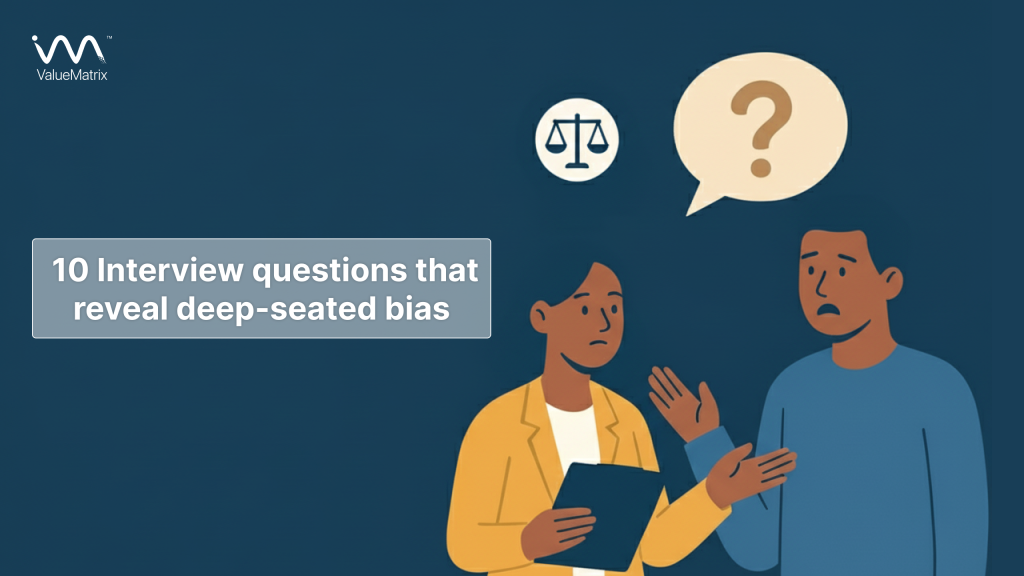
We are discussing a very serious matter – the one that happens all the time during interviews, but we don’t take notice. This is a deep-seated unconscious bias in interviews
Unconscious (or implicit) bias refers to attitudes or stereotypes that we hold unconsciously, which influence how we perceive and make decisions about people, often without being aware. These biases can involve gender, race, age, appearance, socioeconomic background, accent, education, etc.
Why are we discussing this? These can lead to incorrect decisions in hiring talent.
We’ll explore 10 common interview questions that may seem harmless but can actually reveal — or reinforce — unconscious biased hiring practices
What is Interview Bias?
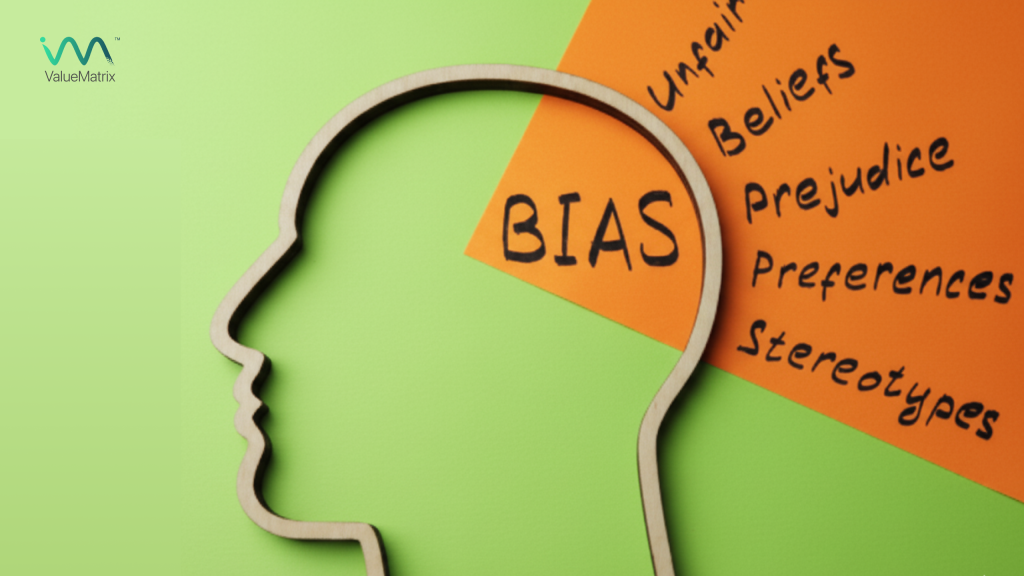
Interview bias basically refers to judgments or opinions that occur when the personal opinion of an interviewer influences how the candidate is evaluated, rather than relying solely on objective criteria or job-related factors. In other words, interview bias takes place when our opinions, which may not be based on facts, affect our hiring decisions. Disadvantages are as follows:
- We can end up making wrong hiring decisions
- These can lead to a reduction in workplace diversity
- Missed talent opportunities
- Lower organisational trust
Different types of biases are:
- Confirmation bias – are questions that support or contradict the initial impressions
- Similarity (affinity) bias – these are questions that are trying to identify with the interviewer’s background, preferences, and interests.
- Halo/Horns effect – questions focusing particularly on a single strength or weakness
- Stereotyping – questions that make assumptions based on ethnicity, gender, age, etc.
- Contrast bias – questions that tend to compare responses from one candidate to another candidate’s response, leading to a comparison between the candidates and deviation from the real requirements for the Job
- Nonverbal bias – the interviewer’s opinion based on dress, looks, age, gender, personality, personal likes and dislikes
The 10 Questions revealing unconscious bias!
The following are the 10 questions that show bias in hiring interviews – we present to you why these questions are biased
Question #1: “Please tell us where you are from?”
Why it’s biased: It can lead to profiling of race, ethnicity, and geography.
Problem: May disadvantage people who are from minority backgrounds and certain locations with an assumed reputation.”
Question #3: “How many kids do you have?/Are you planning to have kids?”
Why it’s biased: Reveals information or plans of a personal nature – may not affect work
Problem: Can lead to assumptions about commitment, continuity, and availability
Question #4: “Will you be okay to travel as per the job requirement? Will your spouse have any objections to the same?”
Why it’s biased: Assumes marital status and reinforces gender stereotypes.
Problem: Suggests that family responsibilities or spousal approval affect professional ability.
Question #5: “That’s a very different name! What’s the origin?”
Why it’s biased: It is trying to find out the background and ethnicity of the candidate
Problem: focusing on background rather than qualifications and experience
Question #8: “What are your thoughts about fitting into our organisation’s culture?”
Why it’s biased: It encourages a skewed mindset, trying to find people with similar backgrounds among existing employees.
Problem: Limits diversity at the workplace, leading to long-term brand value loss for the organisation
Question #10: “How would you handle working with a much younger/male/female manager?”
Why it’s biased: It is trying to stereotype the candidate into a generational bracket
Problem: This question is deviating from the capability of an individual’s leadership skills
How do These Questions Affect Candidates and Companies?
Though these questions have been used for a very long time, they create some or the other form of undesired situations and complexes at the workplace. People continue to work even though the environment may not be favourable. Those who are less in number by way of age, gender, race, status, etc., feel left out and may not consider the organisation to build their long-term career. Organisations also face the risk of losing the top talent.
Federal laws make it illegal in the US to discriminate against a job applicant or employee based on
- Race or colour
- Religion
- Sex (including pregnancy, sexual orientation, and gender identity)
- National origin
- Age (40 or older)
- Disability
- Genetic information
Not adhering to the above draws legal compliance issues – this applies to companies based in of US and their offices across the world
These protections apply to all employment practices, including recruitment, interviews, hiring, promotions, and termination.
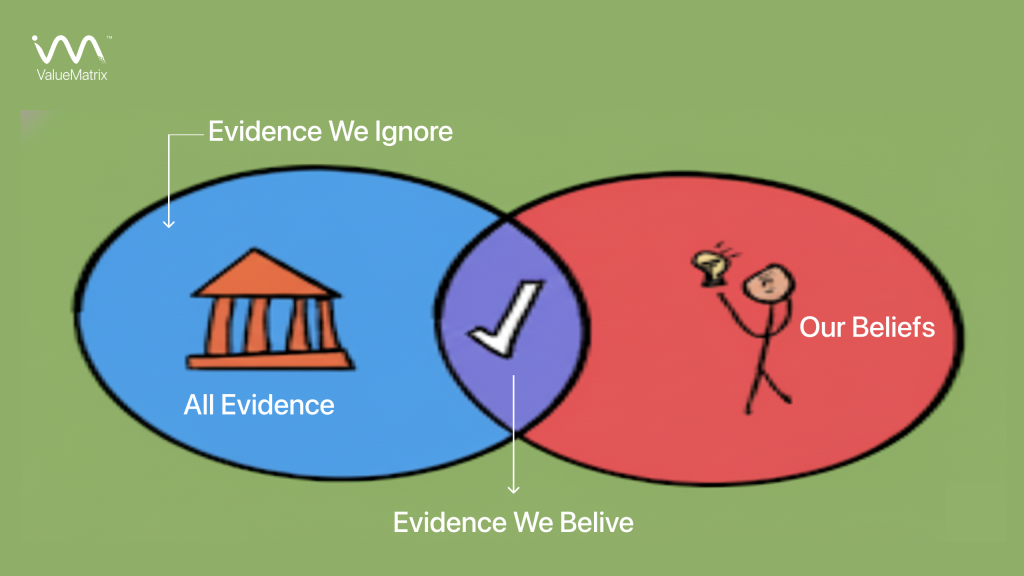
If, for any reason, the bias leads to very skewed hiring decisions, then the environment of the organisation is bound to suffer and adversely affect the reputation of the organisation. Top talent may not prefer to apply for positions and also remain in the organisation for long tenures.
The need of the hour is an unbiased system of hiring where evaluations happen independent of the above patterns and help people of all generations find places of work where these biases do not exist.
ValueMatrix’s AI-Powered Talent Intelligence Platform
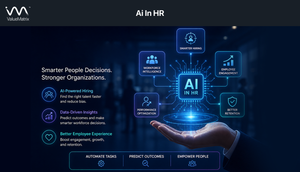
ValueMatrix is an AI-powered talent intelligence platform that aims to eliminate bias (both conscious and unconscious) in hiring, ensuring all candidates are evaluated by their actual skills, personality, potential, and cultural/ team alignment rather than by proxy signals like pedigree, demographics, etc. Not just this, Valumetrix will revolutionise the way recruitment and talent management are run in the present. Fair hiring ensures that every candidate is evaluated solely on merit, potential, and job-relevant criteria, building a workforce that is diverse, equitable, and high-performing.
The changing role of HR
Human Resources professionals are not just interviewers, job posters, or salary negotiators; they now play a much more strategic role and are more aligned with the business than before. The HR of the future will be doing the following and much more
- Aligns talent strategy with business priorities
- Uses data-driven insights
- Shapes culture and leadership
- Advises leadership
- Focuses on outcomes and not activities
- Responsible for upskilling the workforce
Why Choose ValueMatrix for AI-Powered Talent Intelligence?
ValueMatrix helps organisations build culturally cohesive teams with AI-powered recruitment and retention strategies. We educate corporate leaders on the importance of involving and encouraging all generations to adopt enterprise values and participate actively to achieve excellence.
Our AI-powered platform transforms talent acquisition with intelligent hiring techniques backed by established psychological frameworks. We partner with HR professionals to conduct unbiased and holistic assessments for aspiring candidates. The platform also does the following:
1. Proactive Sourcing and Identification
Traditionally, business instructs the HR people to hire, fire, and promote people based on the needs of the organisation. The role of the new age HR is more aligned to business than before, as they are proactive in their recruitment requirements in terms of identifying potential candidates before the opportunities arise, predicting the type and number of workforce required. They do this by tapping into passive talent pools, alumni networks, and other databases and resources.
2. Enhanced Candidate Engagement and Experience
An organisation’s brand as a great place to work is as important as the products and services that it builds and sells. This brand value for a future employee starts from the first contact by the HR with the candidate to onboarding— transparency, personalisation, and consistent communication are the key components of Future-ready hiring. AI-based hiring brings in all the above requirements in a seamless fashion, fostering trust and reliability, and thereby stability.
3. Bias Reduction and Fair Hiring Practices
Unconscious bias prevents from formation of correct fact-based decisions. The AI-based hiring has equity and inclusion. Structured interviews, competency-based evaluations, and algorithmic audits help in minimising the bias. Focus is on skills, behavior, and potential of candidates. Compliance with EEOC and Global DEI standards is embedded, leading to fairness. The hiring process has Equity and inclusion built in. Unconscious bias is removed with the help of algorithmic audits, Structured interviews, competency-based evaluations, and diverse panels. Every candidate is assessed on skills, behaviours, and potential, ensuring fairness and compliance with EEOC and global DEI standards.
4. Predictive Analytics for Smarter Decisions
AI-driven analytics turn hiring from guesswork into a strategic science. Predictive models evaluate candidate fit, forecast performance, and estimate retention probabilities. By leveraging data insights across sourcing, engagement, and hiring stages, recruiters can make faster, evidence-based decisions that align talent acquisition with business outcomes.
5. Internal Mobility and Workforce Planning
There is a balance in recruiting from industry and from within the organisation, making optimum utilisation of opportunities and resources. This builds trust among the workforce, also helps them choose the place of work for long-term goals.
Recruitment units of today take equal care of the in-house pool and new candidates. Through skills mapping and talent visibility platforms, the identification of internal talent and their redeployment is being done for emerging opportunities. Advantages of this are manifold – this helps build trust, engagement, and retention, builds new pathways and opportunities for existing employees, and also reduces hiring costs.
6. Data Security, Ethics, and Compliance
Responsible use of AI warrants data privacy and ethical governance. Transparency in handling data and adhering to global standards like GDPR, EEOC, labour laws, and legal compliance becomes the norm.
The new ways of recruitment have data privacy and ethical governance in-built, which is also warranted by way of making responsible use of AI. There is greater transparency in terms of data handling and adherence to global standards like EEOC, GDPR, and labour laws and legal compliance.
Conclusion
Recruitment is evolving fast – in times of AI, where workforce requirements are changing by the hour, Human Resources’ role in anticipating what is needed for the organisation for the future is no less than being a magician. The magician’s magic mantra is AI-based hiring, which is completely free of bias of any kind and helps build a workplace of the future where opportunities are given to people based on talent, experience, and the value that they bring to the team. Also builds a brand value that gets talked about in a good way, that of Trust and transparency.
ValueMatrix is an AI-based platform that is revolutionising the way organisations are looking at hiring!!!
FAQs
Interview bias basically refers to judgments or opinions that occur when the personal opinion of an interviewer influences how the candidate is evaluated, rather than relying solely on objective criteria or job-related factors.
Unconscious bias is harmful because it will lead to wrong selection or a misfit. The selection is not based on merit or facts.
AI-powered talent intelligence platforms like ValueMatrix use data-driven algorithms to assess candidates based on skills, personality traits, and job fit—rather than personal identifiers. They enable objective, fair evaluations, improving diversity and compliance with DEI and EEOC standards.
About Us
ValueMatrix is an AI-powered talent intelligence platform that helps companies hire better, faster, and without bias. We go beyond resumes to assess skills, behavioral traits, and cultural fit using advanced AI and proven psychological frameworks. Our platform delivers data-driven insights that improve hiring accuracy, reduce time-to-hire, and elevate candidate quality.
ValueMatrix AI enables hiring teams to make confident hiring decisions and build high-performing teams at scale.